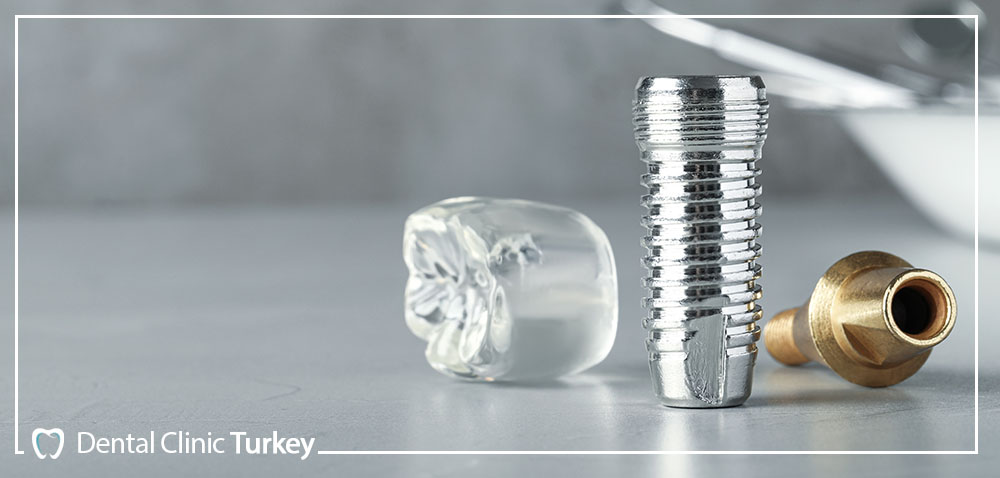


Dr. Denti
Dr. Denti
WhatsApp Free Consultation
photo
Is It Safe to Get Dental Work Done in Turkey?

Is It Safe to Get Dental Work Done in Turkey?

Is It Safe to Get Dental Work Done in Turkey? (2026)

Search any expat group, any dental tourism subreddit, any Facebook community dedicated to the topic. You will see two kinds of posts. People showing off their results, thrilled with what they paid and how it went. And people warning everyone off, describing something that went wrong and cost them more to fix than they saved. Both are telling the truth about their own experience. Neither is telling the whole story.

The detail that gets lost is this: the gap between those two experiences almost never traces back to Turkey. It traces back to a specific clinic, a specific set of decisions made before departure, and in some cases a specific set of expectations that were not realistic going in. The destination gets the credit or the blame for something the provider deserved.
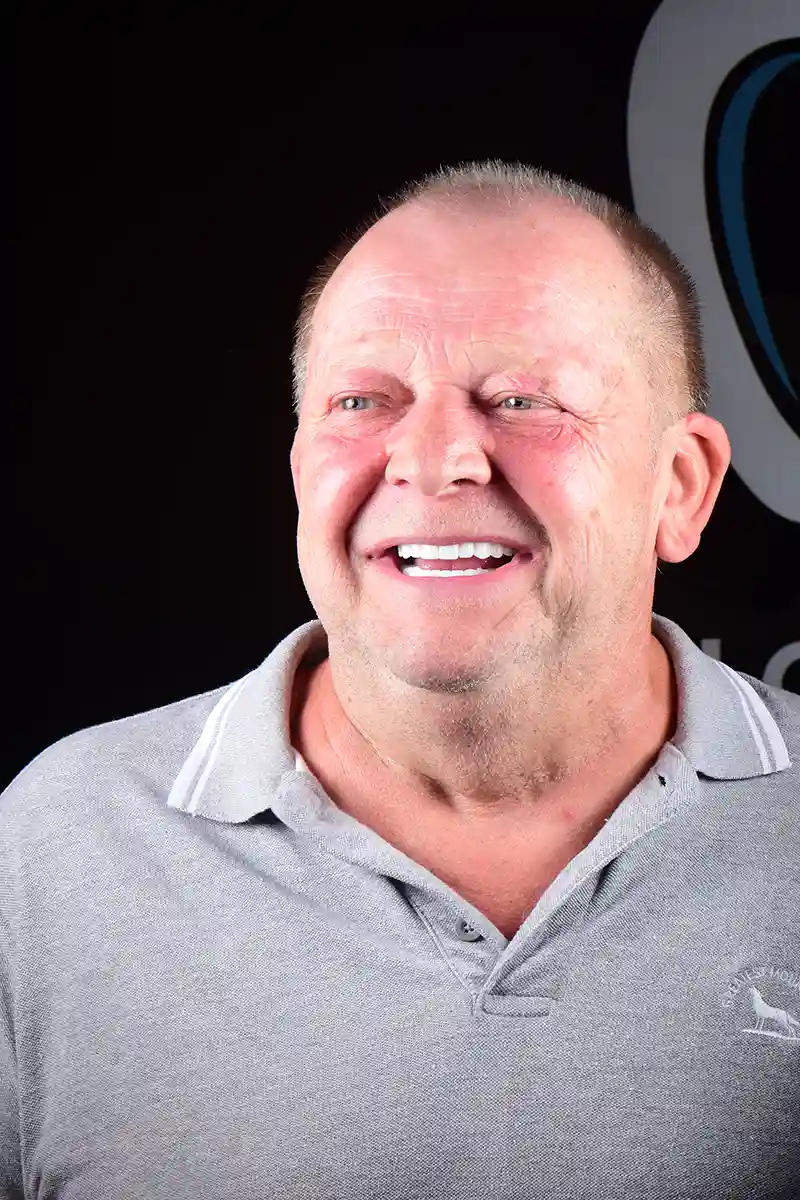
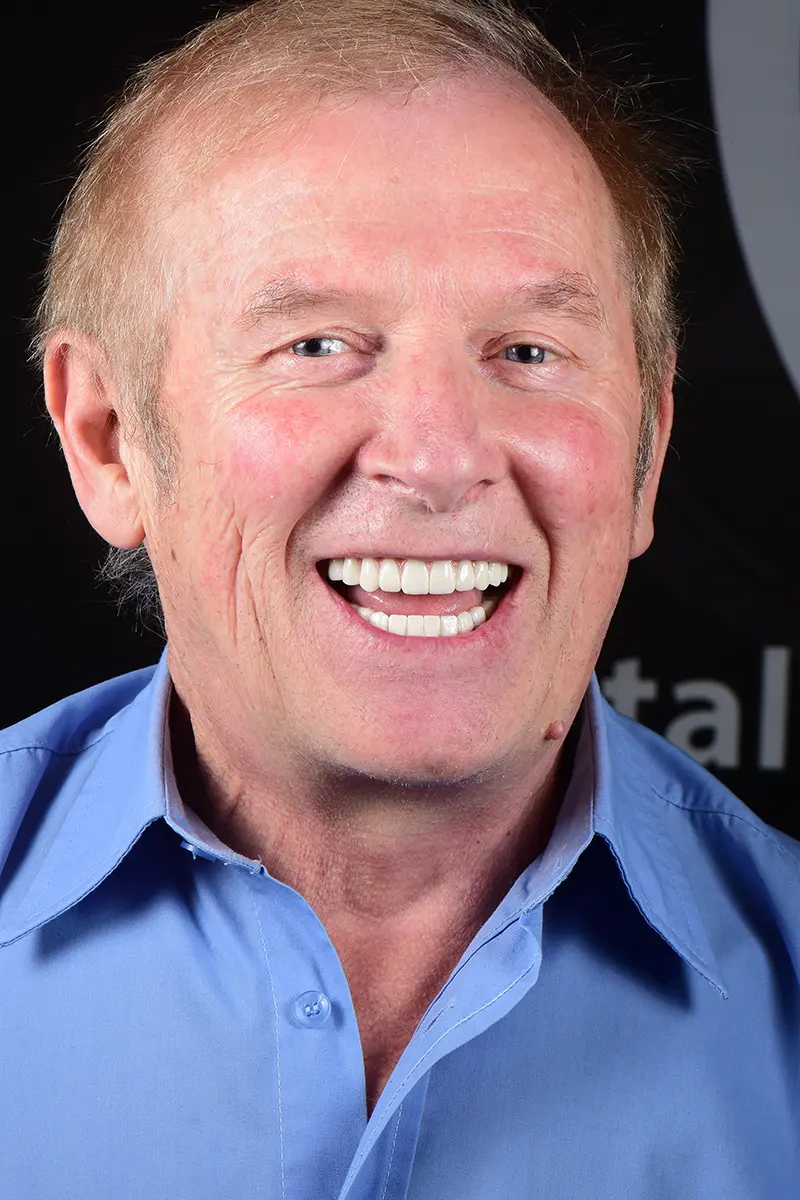
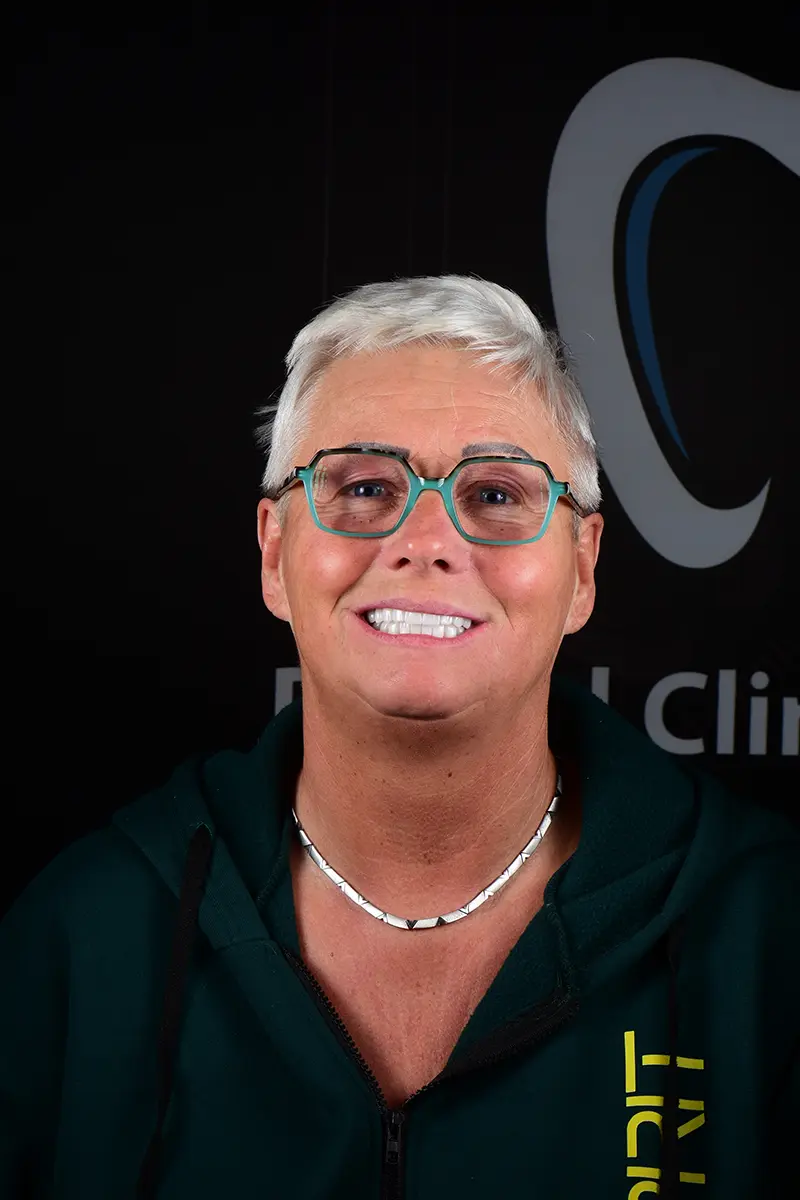
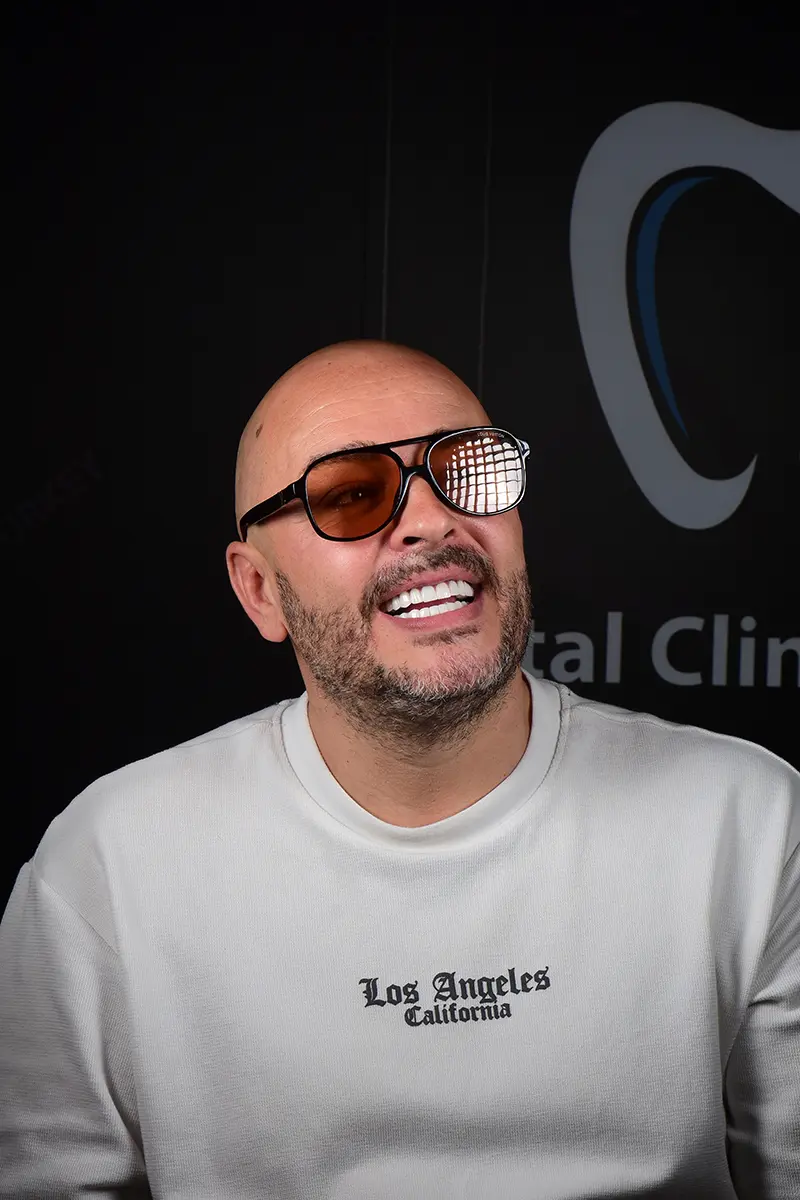
Happy patient at dental clinic in Turkey
The quality of your experience in Turkey depends far more on clinic selection than on the country itself.
Free Consultation
Get Your Personal Quote Today
No commitment. We reply within 1 hour.

What the Regulations Actually Look Like

When you are considering treatment in a country you do not live in, it is reasonable to wonder who is keeping an eye on things. The short answer for Turkey is that there is a system, it has real teeth in some areas, and like any regulatory environment it works better in some places than others.

Dentists practising in Turkey have to be registered with the Turkish Dental Association. That is not a formality — it is a prerequisite for seeing patients legally. The clinics themselves go through a licensing process with the Ministry of Health before they can open, and inspections are part of how that continues. Whether those inspections happen with the same frequency and rigour as in Switzerland or Denmark is genuinely hard to verify from the outside, and anyone telling you the oversight is identical would be overstating it.

What helps bridge that gap for international patients is voluntary certification. A clinic that has gone through JCI accreditation — Joint Commission International, which is the main international benchmark for healthcare quality — has had an independent body look at how it runs. Infection control, record-keeping, patient safety protocols, staff qualifications. The process is not quick or cheap, and clinics do not pursue it for decorative purposes.

StandardWhat It Covers
Turkish Ministry of Health LicenseRequired to operate legally in Turkey
Turkish Dental Association RegistrationRequired for every practicing dentist
JCI AccreditationInternational quality and patient safety audit
ISO 9001 CertificationQuality management systems
CE-Marked MaterialsEuropean standard for dental prosthetics

The five credentials above are not equally significant. The first two are floors, not differentiators — every legitimate clinic should have them. The ones below are choices a clinic makes, and they reflect something about how seriously it takes the quality of its work.

The Materials Question

One of the most common concerns is whether Turkish clinics use inferior materials. For clinics actively serving international patients, this concern is largely unfounded. The materials they use — E-max porcelain, zirconium from established suppliers, Straumann or Nobel Biocare implants — are the same ones used in German, Dutch, and British clinics. They are sourced from the same European and American manufacturers.

The difference in cost does not come from cheaper materials. It comes from lower labour costs, lower rents, and a healthcare pricing structure that is fundamentally different from Western Europe.

Where materials genuinely vary is at the budget end of the market. Clinics charging unusually low prices — well below what other reputable Turkish providers charge — often are cutting costs somewhere. That somewhere is frequently the materials or the lab. Asking a clinic directly which implant brand they use, or which porcelain system, and then looking that brand up independently, takes five minutes and tells you a great deal.

What the Data Says About Patient Outcomes

The numbers that get cited in medical tourism reports are worth knowing but should not be taken uncritically. What they do tell you is that this is not a small or experimental industry. Hundreds of thousands of people make this trip annually, and the overwhelming majority return without serious incident. The failure stories that circulate online are real, but they represent a fraction of total cases, and they cluster around specific types of providers rather than being spread evenly across the sector.

The complications that do get reported are mostly predictable ones. Sensitivity that lingers after veneers. A crown that needs a bite adjustment. Implant sites that heal slower than expected. These are not Turkey-specific outcomes. They are the normal tail of any dental procedure done anywhere, and they are almost always manageable.

What is genuinely Turkey-specific is what happens when patients push too hard for speed or price. The worst outcomes documented in the sector are concentrated among people who chose providers they could not verify, demanded treatments in timelines that were not clinically appropriate, or withheld health information that would have changed the approach.

What Genuinely Carries Risk

Choosing based on price alone is the most reliable predictor of a bad outcome. When a quote is substantially lower than what comparable Turkish providers charge, that gap exists for a reason — inferior materials, a less experienced lab technician, or a shorter appointment than the treatment requires.

Skipping the pre-treatment consultation removes a critical layer of protection. A clinic that will not review your X-rays, cannot produce a treatment plan before you arrive, or cannot specify which materials will be used is not set up to deliver a predictable outcome.

Undisclosed health conditions — uncontrolled diabetes, clotting disorders, certain medications — affect surgical decisions and healing. A clinic that does not ask about them is as much a concern as a patient who does not volunteer the information.

Unrealistic timelines push patients toward clinics making promises no ethical provider should make. Complex full-mouth reconstructions cannot be completed properly in three days.

How Porcelain Crowns Compare to Home

Porcelain crowns are one of the most requested treatments among international patients and a good illustration of how quality and safety intersect with price. At a well-chosen clinic in Antalya, Porcelain Crowns in Turkey follow the exact same fabrication process as anywhere in Western Europe — digital scanning, milling or hand-layering, shade matching, fitting — with the same materials and the same protocols.

The ceramist who makes your crown, the materials used, and the fitting protocol followed are all factors you can ask about and verify. A clinic that answers these questions clearly and specifically is almost always a clinic that takes the quality of its work seriously.

Reading Patient Results Before You Book

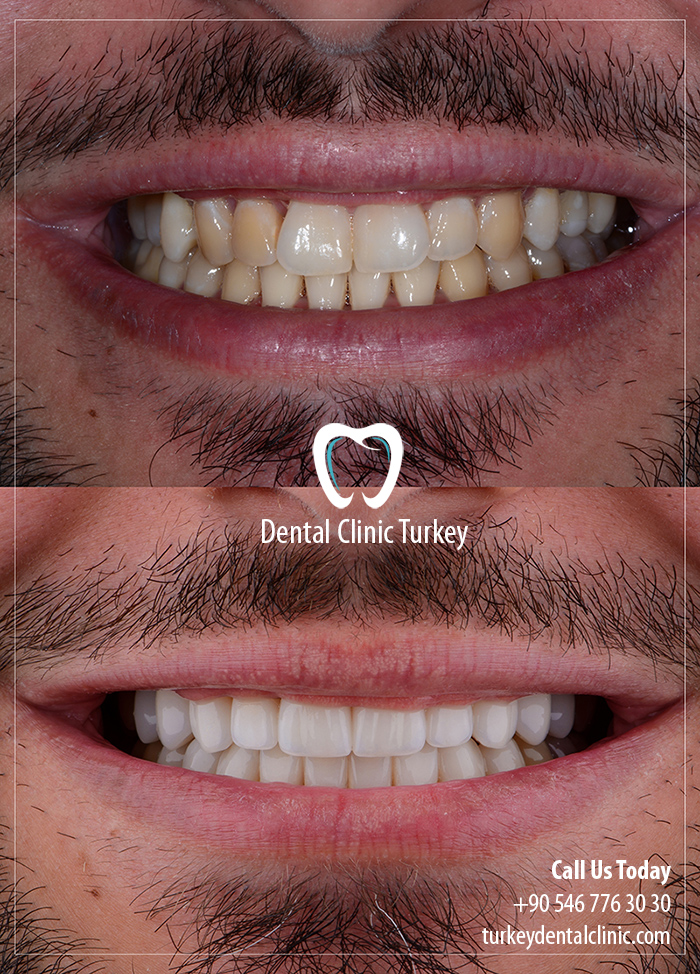
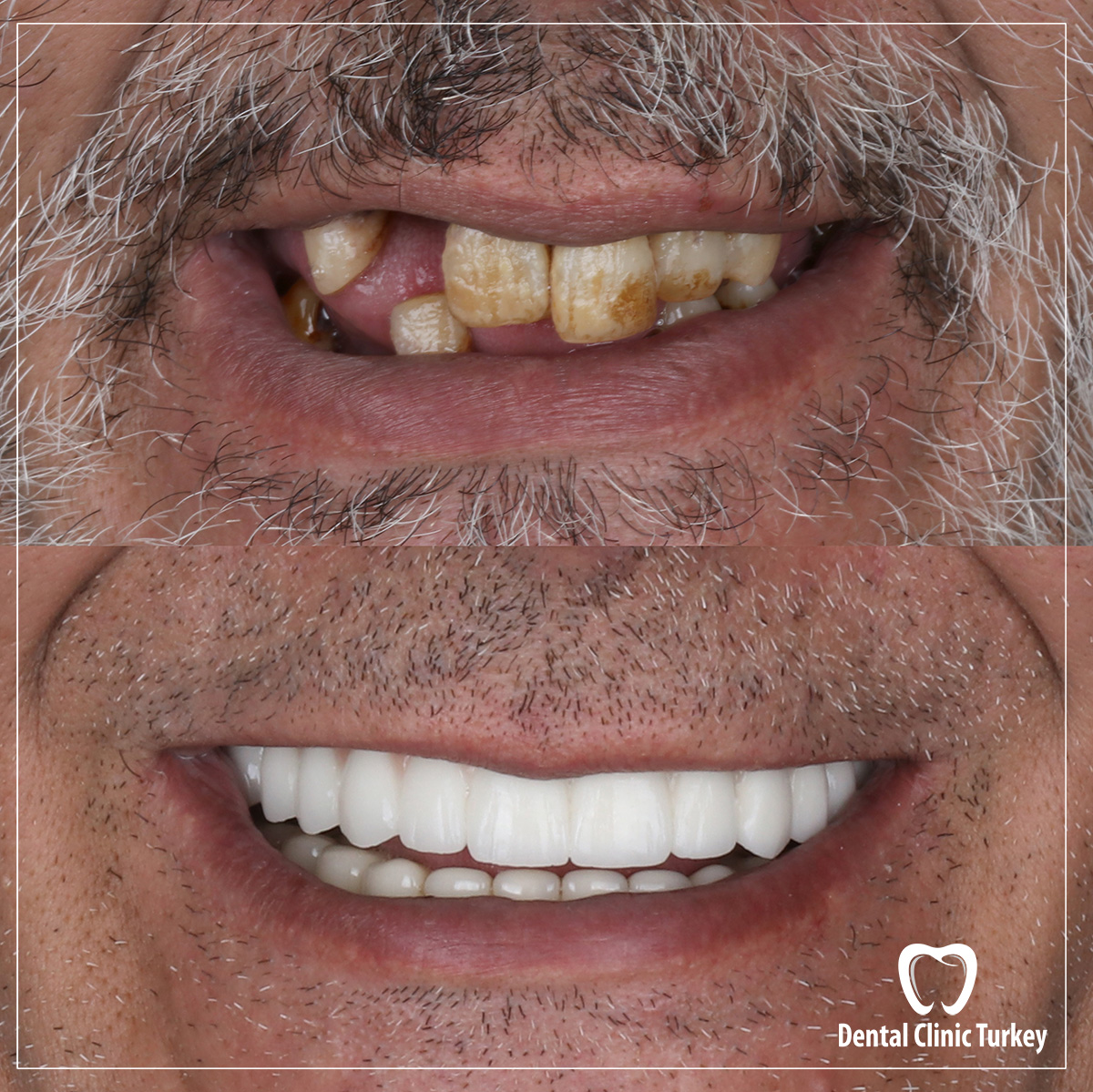
The most useful due diligence tool available to you is looking carefully at real outcomes, and most people do not use it well. Browsing the Before After gallery of any clinic you are considering tells you far more than any written review.

What to look for is not the most dramatic transformations. It is the range. A gallery that shows only perfect results from patients who started with near-perfect teeth is not informative. A gallery that shows patients who started with significant issues — crowding, discolouration, missing teeth, uneven gum lines — and documents realistic improvements tells you something real about what the clinic can do.

Look at whether the results look like natural teeth or uniform ceramic reproductions. Look at shade variation, which occurs naturally in real teeth and is absent in poorly executed cosmetic work. Look for cases that resemble your own starting point.

Teeth Whitening as a Benchmark Treatment

Teeth Whitening in Turkey is the lowest-risk cosmetic dental treatment and one worth mentioning specifically because of what it reveals about how a clinic operates. A clinic that takes the time to properly assess your existing tooth shade, check for sensitivity, explain expected outcomes, and follow a controlled whitening protocol is showing you its operational standard. A clinic that rushes through whitening in twenty minutes without any of that is showing you something different.

The treatment itself — professional bleaching with controlled hydrogen peroxide concentration — is identical in Turkey to what you would receive anywhere in Europe. The price difference is significant, and the safety profile is the same when performed by a qualified practitioner.

The Practical Checklist Before You Book

The question of whether Turkey is safe tends to get asked at the wrong level of abstraction. Safety is not a property of the country. It is a property of the specific clinic, the specific dentist, and the specific decisions made before and during treatment.

There are things you can find out before booking that actually predict your experience. Whether the clinic is licensed and can show you documentation of that. Whether the dentist treating you has verifiable qualifications. Whether they will tell you exactly which brands they use for implants and prosthetics and let you look those up. Whether they produce a written treatment plan before you pay. Whether they have a clear process for patients who need support after returning home. Whether their patient reviews exist in volume on platforms they do not control.

A clinic that handles all of those things straightforwardly is giving you real information about how it operates. One that is vague, evasive, or impatient with those questions is also giving you real information.

What to Do If Something Goes Wrong After You Return

People sometimes talk themselves out of going because they cannot picture what happens if something needs attention after they are back home. The answer is simpler than they expect.

For anything minor, correspondence with the treating clinic handles it. Most established Turkish clinics that work with international patients are well-practised at remote follow-up. A photo, a description of the issue, and a quick exchange usually resolves it.

For anything that needs hands-on work, the key is documentation. Before you leave, make sure you have a record of exactly what was done. Not a vague summary — specifics. Which procedures, which materials, which implant system and model number if applicable, the dimensions of any crowns. A local dentist who has that information can examine and treat you without needing to reverse-engineer what was placed. Without it, they are working blind and that creates unnecessary difficulty.

Frequently Asked Questions

Is dental work in Turkey regulated the same way as in Europe?
Turkey has a functioning regulatory framework through the Ministry of Health and Turkish Dental Association. It is not identical to every European system, but it is not meaningfully weaker for patients choosing established, licensed clinics. International accreditations like JCI add an additional independent layer of quality assurance.
How do I know if a Turkish clinic uses quality materials?
Ask directly. A reputable clinic will name the implant brand, the porcelain system, the lab they use, and whether that lab is on-site or outsourced. You can then verify those brands independently. Clinics that give vague answers or cannot name their suppliers are a warning sign.
What happens if I have a complication after returning home?
Most reputable clinics offer remote aftercare and will advise via email or video for minor issues. For anything requiring hands-on intervention, bring your full clinical report home. Any qualified dentist can work with it. Having documentation of your treatment is essential.
Are the dentists in Turkey as qualified as in the UK or Germany?
Turkish dental degrees are five-year university programs. Dentists serving international patients have often completed additional postgraduate training and regularly attend international conferences. Qualification level is not the differentiator. Clinic culture and commitment to quality are.
Is it safe to have implants done in Turkey?
Yes, at a properly chosen clinic. The implant procedure itself carries the same risks anywhere: infection, rejection, nerve proximity. These risks are managed through pre-operative assessment, use of quality implant systems, and proper follow-up. Clinics that cut corners on any of those stages increase the risk significantly.
What is the biggest mistake people make when getting dental work in Turkey?
Choosing based on price alone. The difference between the cheapest and most reputable options in Turkey is often a few hundred pounds. The difference in outcome can be the entire treatment. Do the research before you book, not after something goes wrong.
Free Consultation

Request a Callback

We will call you back within 2 hours during clinic hours.

WhatsApp
Thank you. We will be in touch shortly.
A confirmation has been sent to info@turkeydentalclinic.com
How Many Days Do You Need for Dental Implants in Turkey?

How Many Days Do You Need for Dental Implants in Turkey?

How Many Days Do You Need for Dental Implants in Turkey? (2026 Guide)

This is the question that stops most people from booking. Not the price. Not even the fear of the dentist. It is the logistics. You have work, you have kids, you have a life that does not pause easily. So the real question is not just how long it takes. It is whether you can actually fit this into your schedule without everything falling apart.

The short answer is: most people need between five and seven days for a standard how many days do you need for dental implants in Turkey case. But there are situations where that changes, and knowing which category you fall into before you book will save you a lot of stress later.

Happy patient at dental clinic in Turkey
Patients regularly complete their full implant treatment within a single week at Antalya clinics.
Free Consultation
Get Your Personal Quote Today
No commitment. We reply within 1 hour.

What Actually Happens During a Dental Implant Trip to Turkey

When people imagine the process, they often picture one long surgery day followed by recovery. That is not how it works. A dental implant involves multiple stages, and a clinic that compresses everything into a single chaotic day is one worth avoiding.

Day one is arrival and assessment. You land, get picked up, and usually have your first appointment the same day or the morning after. The clinic takes panoramic X-rays, does a full examination, and maps out the treatment plan. If you have had a remote consultation beforehand, which most good clinics now offer, this appointment moves faster.

Day two is surgery. The implant post is placed into the jawbone under local anaesthetic. The procedure itself takes between one and two hours depending on how many implants are going in. Most patients say it was less uncomfortable than they expected. You rest for the rest of that day.

Days three and four are recovery. Others take a bit more time. Soreness is real but it is not the kind that keeps you in bed. Most people are surprised by how quickly they are up and walking around. Day three in Antalya usually looks like a slow coffee somewhere near the old harbour, a bit of gentle wandering, nothing strenuous. Soft foods for a couple of days, yes. But it is far from the dramatic recovery people build up in their heads before they come.

Day five is when the clinic sees you again. They check the sites, make sure everything looks as it should, and confirm you are good to fly. For a clean single implant case, that is your trip done. Some people stretch it to six days just to feel less rushed on the way to the airport. Others are on the plane by day five and perfectly fine.

Why Some Cases Take Longer and What to Do About It

The honest answer to how many days do you need for dental implants in Turkey is: it depends on what your mouth actually looks like when the X-rays come back.

Some people arrive with plenty of bone, no complications, and the implant goes in cleanly. That is the five to seven day scenario and it covers most patients. But mouths are not all starting from the same place.

Bone loss is the main variable. When a tooth has been missing for years, the bone underneath gradually shrinks because there is nothing putting pressure on it anymore. Sometimes there is still enough to work with. Other times the surgeon needs to graft bone material before the implant post can go in securely. If that graft needs to fully integrate before the implant is placed, you are looking at a second visit a few months down the line. Not because anything went wrong. Just because biology moves at its own pace.

Multiple implants are a different story than people expect. Three or four implants placed on the same day does make the surgery appointment longer, but it does not dramatically change the rest of the week. Recovery with three implants is not three times harder than recovery with one. The follow-up timeline stays largely the same.

The Two Visit Option and Who It Is For

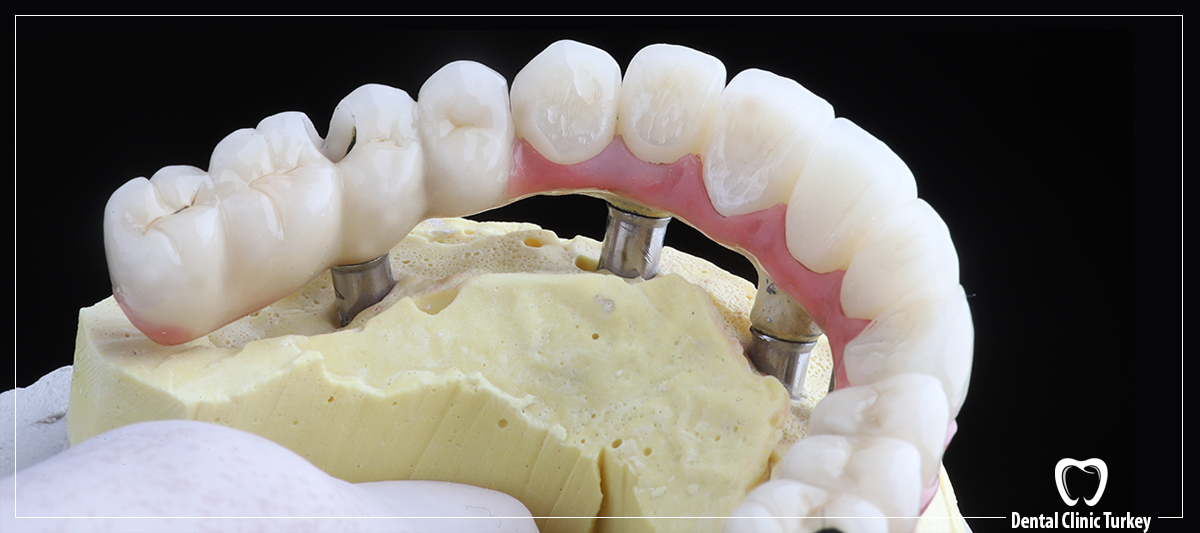
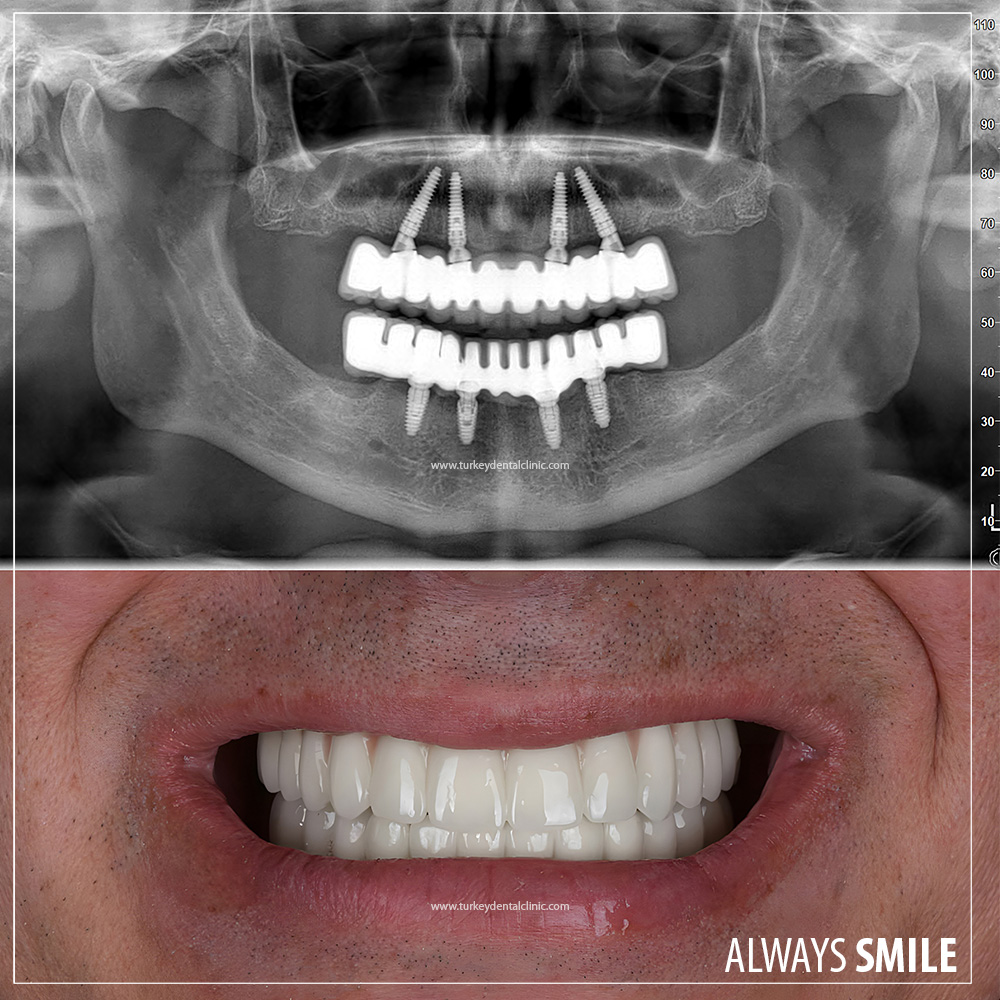
Some patients, particularly those needing full arch restorations like All-on-4 or All-on-6, split their treatment across two separate trips. The first visit covers the implant placement and fitting of temporary restorations. The second visit, usually three to six months later, is when the permanent prosthetics are fitted once the bone has fully integrated around the implant posts.

This two visit approach is not a disadvantage. It is simply how implant biology works. The bone needs time to bond with the titanium post before heavy load is applied. Clinics that promise to skip this waiting period entirely for complex cases deserve careful scrutiny.

For single tooth implants or small numbers of implants in patients with good bone density, one trip is usually sufficient. For full mouth reconstructions, two trips is the standard and the right approach.

Dental implant treatment process in Antalya Turkey
Modern implant procedures at Turkish clinics follow international protocols with European-grade materials.

What the Process Looks Like at a Well-Run Clinic in Antalya

People often underestimate how organized the process is at experienced clinics. When you decide to get dental implants in Turkey, from the moment you contact the clinic to the moment you board your return flight, the timeline is managed for you. Most clinics assign you a coordinator who handles your airport pickup, hotel communication, appointment scheduling, and any questions that come up between visits.

The typical patient books a Monday to Saturday trip. Surgery happens on Tuesday. Wednesday and Thursday are rest and light activity. Friday is the follow-up and sign-off. Saturday is the flight home. This pattern repeats reliably across thousands of patients every year at well-run clinics in Antalya.

What Affects Recovery Time Specifically

Recovery from implant surgery varies between people more than the clinical stages do. Age, general health, smoking habits, and bone density all influence how quickly you bounce back after the procedure.

Non-smokers with good bone density in their forties or fifties typically recover quickly. Mild swelling peaks around day two and is largely gone by day four. Smokers are advised to stop before surgery and during the healing period because smoking significantly increases the risk of implant failure by reducing blood flow to the gums and bone.

Patients who arrive already taking blood thinners or certain medications will have flagged this during the pre-consultation and the clinic will advise accordingly.

The point is that recovery is manageable in the context of a week away. It is not the bedridden experience people sometimes fear. A gentle walk along Antalya's old harbour on day three is perfectly reasonable for most patients.

Understanding the Cost Before You Commit

Before you book, understanding what you are actually paying for matters as much as the number of days. Prices for dental implants vary depending on the brand used, whether a bone graft is needed, how many implants are being placed, and what type of crown or prosthetic will sit on top.

Checking the Dental Implant Price in Turkey before you commit is worth doing carefully. A single implant including the crown at a quality clinic in Antalya currently costs between £500 and £900. At home in the UK or Germany, the same implant would typically cost between £2,000 and £3,000. For patients needing four or more implants, the savings become very significant. What you should look for in any quote is transparency. The price should specify the implant brand, whether the crown is included, and what happens if a complication arises. A clinic that gives you a vague number and cannot break it down is not worth your business regardless of how low the figure looks.

Planning Your Trip Around the Timeline

Practically speaking, booking a week is the safest approach for most first time implant patients. It gives you enough time to cover all clinical stages without rushing, leaves a buffer day if anything takes longer than expected, and still allows you to experience Antalya rather than spending the entire trip anxious about the next appointment.

Flight connections from the UK, Germany, the Netherlands, and France to Antalya are frequent and inexpensive. Most major European cities have direct routes operating year round. Spring and autumn remain the most popular travel windows, both for the weather and for the slightly lower hotel and flight prices compared to peak summer.

The accommodation situation near dental clinics in Antalya is genuinely comfortable. Many clinics have hotel partnerships and can arrange your stay directly. The coastal location means you are never more than a short taxi ride from the sea, the old town, or a decent restaurant.

How Many Days Do You Need for Dental Implants in Turkey: A Final Summary

How many days do you need for dental implants in Turkey depends primarily on three things: how many implants you are having, whether any preparatory work like bone grafting is required, and whether your case suits immediate loading or requires the standard osseointegration period.

For most single or double implant cases in patients with adequate bone, five to seven days is the answer. For complex full arch cases, plan for two separate trips of five days each. Either way, the clinical experience at a properly chosen clinic in Antalya is efficient, well-organized, and far less disruptive to your life than stretching the same treatment across months of local appointments.

Frequently Asked Questions

Can I fly immediately after implant surgery?
Most clinics recommend waiting at least 48 hours before flying to allow initial healing and to rule out any early complications. Flying on day five or six after a Tuesday surgery is a common and well-tested schedule.
Does the implant hurt during the procedure?
Local anaesthetic makes the procedure itself painless for most patients. Post-operative soreness in the days following is normal and manageable with standard over-the-counter pain relief.
What if something goes wrong after I return home?
Reputable clinics provide remote aftercare and can advise via email or video call for minor concerns. Any qualified dentist at home can also examine and treat post-implant complications regardless of where the implant was placed. Always leave Turkey with a full clinical report.
Is one week enough time to also see Antalya?
Yes. Most patients have at least two full days with no clinical appointments. Antalya's old town, harbour, and beaches are all easily accessible and well worth a few hours of your time.
How far in advance should I book?
Most clinics ask for four to six weeks notice for implant cases to allow time for remote consultation, records review, and surgical planning. Last-minute bookings are sometimes possible but not ideal for implant cases specifically.
What is the difference between one stage and two stage implants?
One stage implants allow the crown to be placed relatively quickly after the post. Two stage implants involve a healing cap placed first, then the crown after osseointegration. The right choice depends on your bone quality and the specific implant system the clinic uses.
Free Consultation

Request a Callback

We will call you back within 2 hours during clinic hours.

WhatsApp
Thank you. We will be in touch shortly.
A confirmation has been sent to info@turkeydentalclinic.com
Get a confident new look with our 2026 guide to Full Smile Makeover Cost in Turkey. Learn pricing, key factors, and what to expect for the best value treatment

How Much Does a Full Smile Makeover Cost in Turkey? (2026 Guide)

How Much Does a Full Smile Makeover Cost in Turkey? (2026 Guide)

Pricing is the first thing people search for, and it is also the thing clinics are most reluctant to publish clearly. So let's start there before anything else.

A full smile makeover in Turkey in 2026 costs most international patients somewhere between £2,000 and £5,500 all in. That figure includes the dental work. It does not include flights or the hotel, which together typically add another £400 to £700 if you are flying from the UK or northern Europe. Even with travel factored in, most people save between 60 and 75 percent compared to having the same treatment done at home.

Those numbers will vary depending on how many teeth you are treating, which materials you choose, and which clinic you go with. We will get into all of that below.

Smile makeover result - healthy white teeth
Natural-looking results are the standard at well-chosen clinics in Turkey.
Free Consultation
Get Your Personal Quote Today
No commitment. We reply within 1 hour.

Why the Price Gap Between Turkey and the UK Is So Large

There is a version of this explanation that makes Turkey sound like a compromise. It is not. The gap exists for boring economic reasons: rent in Antalya costs a fraction of what it costs in central London, dental technicians earn less, and overheads across the board are lower. The materials in the lab and the equipment in the chair are often the same brands used in Western European clinics. The bill at the end is just structured differently.

Turkish dental clinics that serve international patients have spent years building infrastructure for exactly this kind of patient. Many have in-house labs, English-speaking coordinators, digital smile design software, and partnerships with local hotels. The whole system is set up around the fact that you are flying in, have a fixed number of days, and need everything to run on time.

That is actually one of the things people find most surprising when they come back. Not the price. The efficiency.

What a Full Smile Makeover Includes

The phrase gets used loosely, so it helps to be specific. A smile makeover is not one treatment. It is a combination of procedures chosen based on your current dental situation and what you want to change. For some patients it means eight porcelain veneers on the upper front teeth and nothing else. For others it means crowns, implants, whitening, and gum reshaping done across both arches over the course of a single visit.

A smile makeover at a good clinic always starts with a consultation and a digital design preview before any teeth are prepared. You should see roughly what your result will look like before anything irreversible happens. Clinics that skip this step are not worth the saving.

What Each Individual Procedure Costs in Turkey Right Now

Breaking down the components gives you a way to sense-check any quote you receive.

ProcedureTurkey (per tooth)UK Equivalent
Porcelain veneers£150 – £320£800 – £1,400
E-max veneers£220 – £320£1,000 – £1,600
Zirconium crowns£140 – £280£700 – £1,200
Teeth whitening£80 – £180£300 – £700
Gum contouring£200 – £500£800 – £2,000
Dental implant (incl. crown)£500 – £850£2,000 – £3,000

E-max veneers sit at the higher end of that range. They cost more because the material has a translucency that standard porcelain does not, and on front teeth that difference is visible. Zirconium crowns are more durable and better suited for patients who clench or grind at night.

What the Hollywood Smile Means When a Clinic Uses That Term

Hollywood smile is marketing language, but it does point to something specific. It refers to a complete aesthetic transformation of the visible teeth, typically using veneers or crowns on the upper front eight to ten teeth, shaped and coloured to produce a uniformly white and symmetrical result.

The reputation for looking fake comes from poorly planned treatments where the shade was too white and the shape was not designed around the patient's actual face. When a clinic takes the time to design around your lip line, your jaw, and your natural proportions, the result looks like very good teeth rather than a cosmetic procedure.

The single most important question to ask any clinic before booking is: will I see a digital preview before my teeth are prepared? If the answer is no, keep looking.

The Factors That Move Your Price Up or Down

Four things affect your final number more than anything else.

How many teeth are being treated is the biggest one. Eight veneers and sixteen veneers are completely different jobs even if both get described as a smile makeover.

What condition your mouth is in right now is the second. Decay, gum disease, and bone issues all need addressing before cosmetic work begins. A clinic that quotes you without factoring this in either has not looked properly or is planning to skip it.

Which materials you choose is the third. The jump from mid-range porcelain to E-max is not enormous in Turkish pricing terms, but it shows in the result especially in natural light.

What the package covers beyond the clinical procedures is the fourth. Airport transfer, hotel partnership, digital design preview, temporary restorations while your permanent ones are made — these things vary considerably between clinics and they affect what the quoted price actually gets you.

How the Week Typically Plays Out

You land in Antalya and get picked up from the airport. Day one or two is assessment: X-rays, photos, digital smile design. You review the proposed result and ask for changes before anything else happens.

Day two or three, the preparation appointment. Teeth are lightly reshaped, impressions or scans go to the lab, temporaries go in.

Day four or five, the fitting. Permanent restorations come back from the lab, get checked for fit, shade, and bite, and are bonded in place.

Most patients fly home on day six or seven with their final result already in. At home, the same process stretched across standard NHS or private appointment availability can take four to six months.

Realistic Total Budget for a UK Patient in 2026

Full trip estimate — 8 to 12 teeth

Return flights (UK to Antalya)£100 – £250
Hotel, 6 nights£250 – £500
Dental treatment£2,000 – £4,500
Food and spending£200 – £350
Total estimate£2,550 – £5,600

The same dental work in the UK would typically cost £8,000 to £14,000 for the treatment alone, with no hotel or flights involved because you would be driving to a local appointment every few weeks for several months.

How to Choose a Clinic Without Getting It Wrong

The price difference between a good clinic and a mediocre one in Turkey is surprisingly small. The difference in outcome is not.

Go through the before and after photos carefully. Not the hero shots on the homepage. The real patient gallery with a range of cases. Look at whether the results look like natural teeth or ceramic tiles. Look for cases where the patient started with something similar to your own situation.

Check response times before you commit. A clinic that takes four days to reply to an enquiry email is showing you how communication will work throughout your treatment.

Ask which lab they use and whether it is on-site. On-site labs with experienced ceramists produce more refined work than outsourced options, and turnaround is faster.

Ask what their process is if something needs adjusting after you return home. A clinic that has a clear answer to this is one that has thought about patient care beyond the appointment itself.

Is the Quality Genuinely Comparable?

Patients who have had work done in both countries are usually the most useful source on this. The consistent theme in their accounts is that the clinical quality at a properly chosen Turkish clinic is comparable to private dental care in the UK or Germany, and the experience of being treated as a priority rather than one appointment in a packed schedule is often better.

The variables are real though. Not every clinic is the same. The market in Turkey, like any market, has providers at different levels. The due diligence you do before booking is what determines which side of that line you land on.

Frequently Asked Questions

How many days do I need to set aside?
Five to seven days covers most smile makeover treatments. Implant cases requiring osseointegration may need two separate visits a few months apart.
Do I need to speak Turkish?
No. Clinics regularly working with international patients have English-speaking staff as standard. Many also cover German, French, Arabic, and Russian.
What if I am not happy with the shade or shape after fitting?
Clinics that use digital smile previews and get patient sign-off before preparing teeth significantly reduce this risk. Minor adjustments to shade and bite are normal at the fitting appointment and should be included without additional charge.
Will my dentist at home be able to look after the work?
Yes. Bring a full treatment report with materials used and procedure notes. Any qualified dentist can work with veneers or crowns regardless of where they were placed.
What is the best time of year to go?
April, May, September, and October offer good weather without the peak summer heat and slightly lower flight and hotel prices than July and August.
How long do veneers last?
Porcelain veneers typically last ten to fifteen years with normal care. Zirconium crowns often last longer. Grinding your teeth at night shortens the lifespan of any restoration, so if that is something you do, ask about a night guard before you leave.
Is teeth whitening included?
Often yes, when it is part of a broader veneer or crown treatment. Confirm this specifically when requesting your quote because it varies between clinics.
Free Consultation

Request a Callback

We will call you back within 2 hours during clinic hours.

WhatsApp
Thank you. We will be in touch shortly.
A confirmation has been sent to info@turkeydentalclinic.com
Cost of Turkey Teeth

How Much Do Turkey Teeth Cost in Pounds? (2026 Price List)

How Much Do Turkey Teeth Cost in Pounds? 2026 Price Guide

If you are considering a smile transformation, you have likely asked: “How much do Turkey teeth cost on average?” For many, the answer is the difference between struggling with dental issues and achieving a dream smile. At Dental Clinic Turkey, we offer high-quality care at a fraction of the cost you would find in the UK or Europe.

In this guide, we break down Turkey teeth prices in pounds, compare them with UK costs, and explain why choosing the right clinic is essential to avoid “bad Turkey teeth” stories.

What are Turkey Teeth? (Defining the Phenomenon)

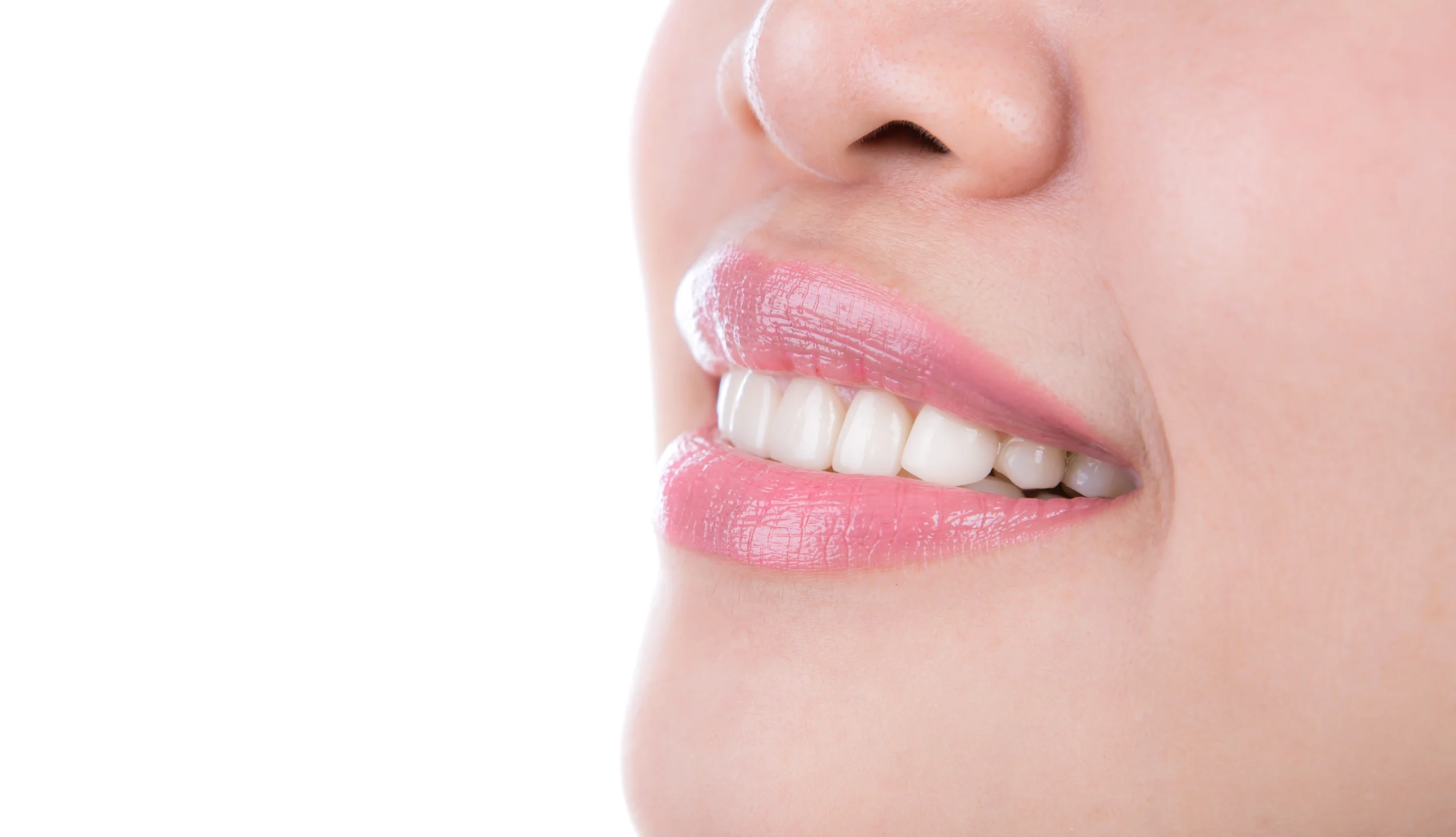
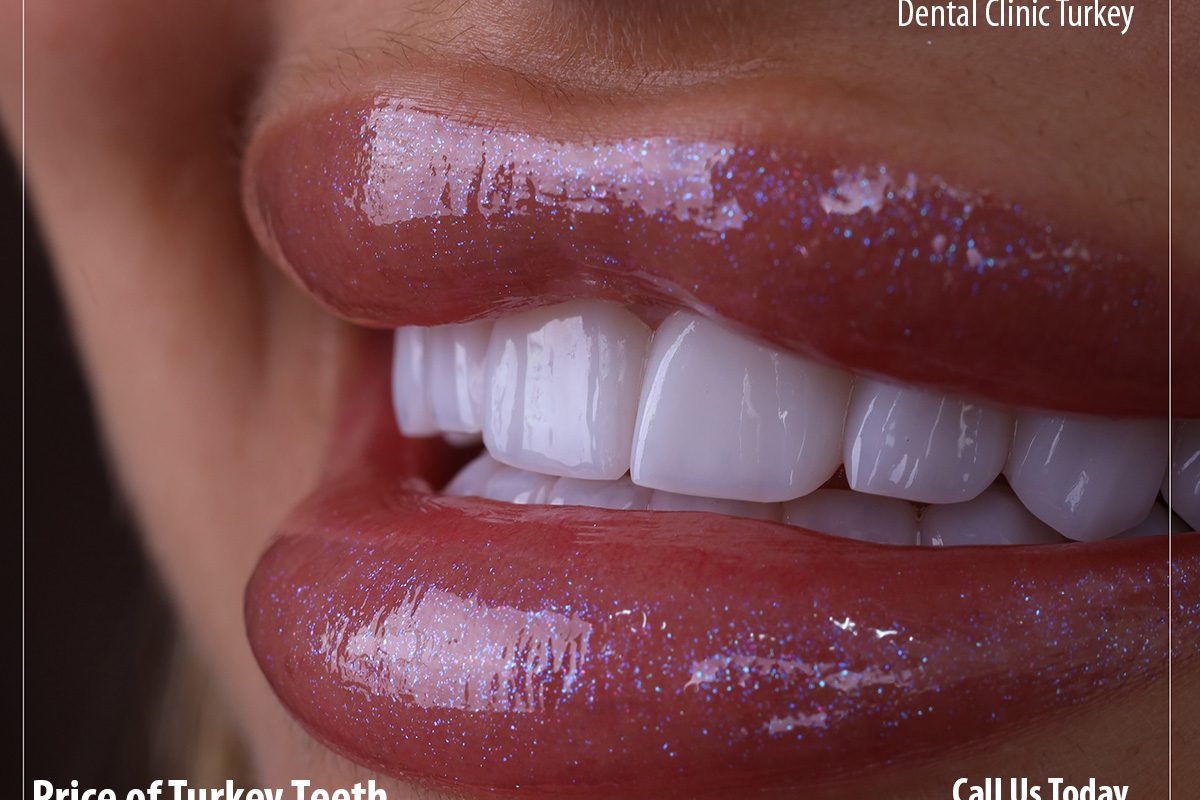
Full Smile Makeover in Turkey with Porcelain VeneersThe term “Turkey Teeth” has become a worldwide phenomenon, generally referring to comprehensive smile makeovers—including veneers, dental crowns, and implant-supported hybrid dentures—performed by expert clinics in Turkey.
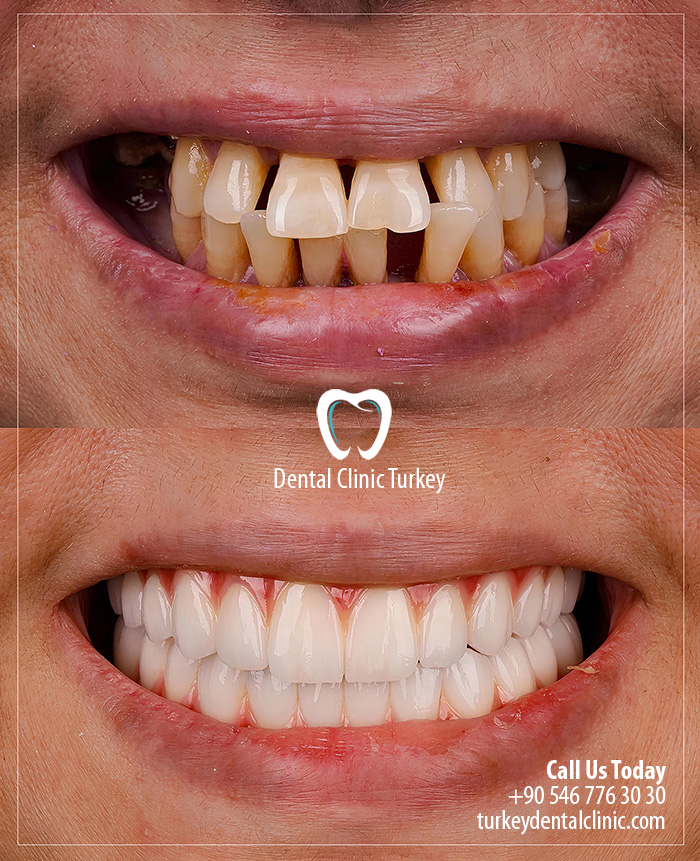
While the trend is often associated with a signature ultra-light and brilliant tooth shade, the reality of the treatment is much more versatile.

At Dental Clinic Turkey, we emphasize that your new smile does not have to be “ultra-white” to be perfect. Many of our patients now opt for Turkey teeth treatments that reflect natural tooth colors, meticulously designed to match their skin tone and facial structure.

Factors Influencing the Cost of Turkey Teeth

The cost of Turkey teeth is not a fixed price but varies based on several critical factors to ensure the best outcome for your health and aesthetics:

Type of Treatment: Whether you require a full set of veneers, individual crowns, or complex implant work significantly impacts the final quote.

Material Selection: The choice between high-end materials like E-max® or Zirconium plays a vital role in both the price and the longevity of your smile.

Material Quality: Using internationally certified, premium brands ensures a natural look and durable finish, which is reflected in the treatment cost.

How Does the “Turkey Teeth” Transformation Work?

The primary objective of traveling for Turkey teeth is to achieve a total smile restoration by addressing a wide range of cosmetic and functional dental concerns. These procedures are meticulously designed to correct issues such as deep discoloration, structural cracks, unsightly gaps, missing teeth, or complex misalignment. By utilizing advanced materials like E-max® or Zirconium, we ensure that your new smile is as durable as it is beautiful.

Beyond the clinical excellence, the financial advantage is a major factor for international patients. Dental treatments in Turkey are significantly more affordable than in the UK, Northern Europe, and the US, often saving patients up to 70% on their total costs.

Specifically, our full set of Turkey teeth packages are curated to provide a stress-free experience. These comprehensive treatments not only offer significant savings but also include luxury holiday opportunities in Antalya, seamlessly combining world-class dental care with a relaxing Mediterranean getaway.

Why is There Such a Price Difference?

Full Smile Makeover in Turkey with Porcelain Veneers for WomanOne of the most searched queries is “how much do teeth cost in Turkey” vs. the UK. While a full set of veneers in London can cost between £15,000 and £25,000, the average Turkey teeth price at premium clinics ranges from £3,000 to £6,000 for a full mouth makeover.
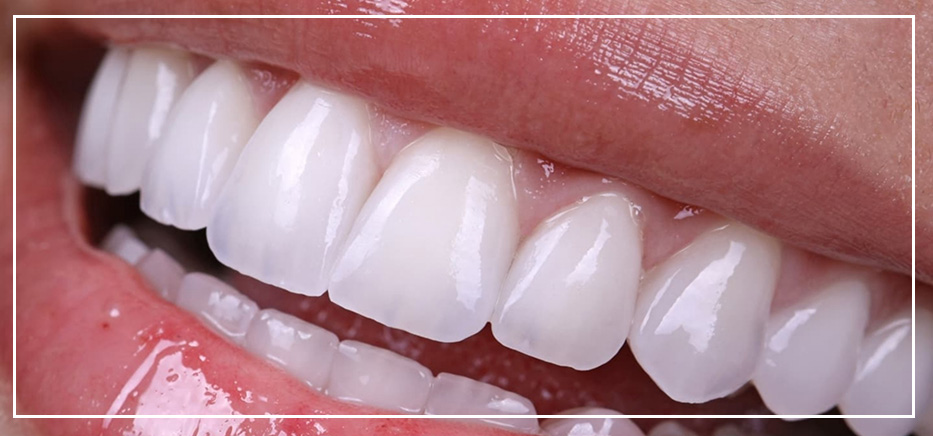
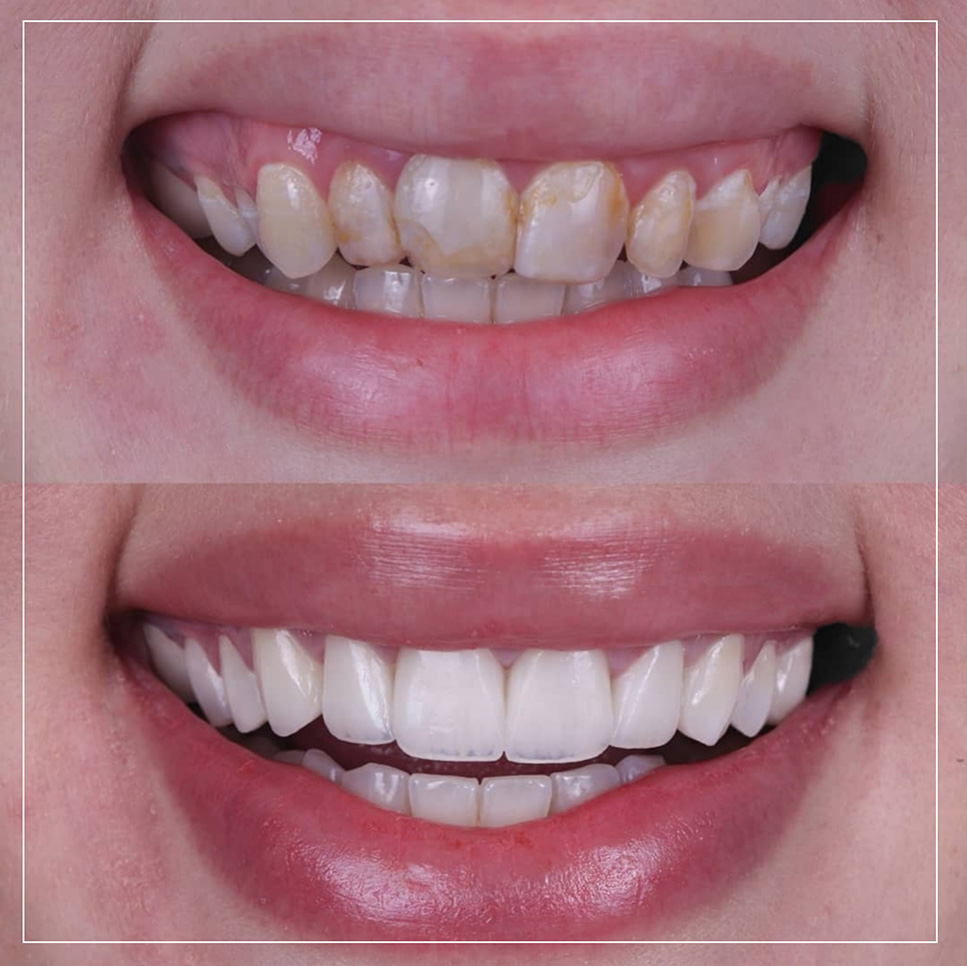
This price difference is not due to lower quality but rather:

Lower Laboratory Fees: High-quality materials like Zirconium and E-max are processed at a lower cost in Turkey.

Favorable Exchange Rates: Your British Pounds have significantly more purchasing power in Antalya.

Comprehensive Packages: Most Turkey teeth cost estimates include VIP transfers, luxury hotels, and aftercare.

Avoiding “Bad Turkey Teeth”: Quality Matters

The search term “bad Turkey teeth” often refers to cases where clinics “over-file” natural teeth or use cheap materials. At Dental Clinic Turkey, we prioritize your long-term health over a “quick fix”:

Minimally Invasive: We preserve as much of your natural tooth as possible, avoiding the “turkey teeth filed down” look that causes sensitivity.

High-End Materials: We only use internationally certified materials to ensure your smile lasts 10-15+ years.

Hollywood Smile Expertise: Our Hollywood smile prices include digital smile design to ensure your teeth look natural, not artificial.

Turkey Teeth Cost Breakdown (Average Prices in Pounds)

To answer the common question “how much do Turkey teeth cost in pounds,” here are the typical starting prices for 2026:

  • Zirconium Crowns (per tooth): Starting from £125- £200.

  • E-max Veneers (per tooth): Starting from £200 – £300.

  • Full Smile Makeover (20 teeth): Typically £3000 – £5,500.

  • All-on-4 Dental Implants (per jaw): Starting from £3,000 – £4,000.

How Long Do Turkey Teeth Last?

Investing in your smile is a long-term decision. When performed correctly:

  • Veneers & Crowns: 10–15 years with proper hygiene.

  • Implants: Designed to last a lifetime.

Get Your Personalized Quote Today

Knowing how much teeth done in Turkey cost is the first step. Every mouth is unique, and we offer free virtual consultations to give you an exact price in pounds—no hidden fees.

Join thousands of happy patients from the UK and experience the Dental Clinic Turkey difference.

WhatsApp us for a Free Quote: +90 546 776 30 30

Turkey Teeth Perfect white

Turkey Teeth: The Ultimate Guide to Costs, Longevity and Safety

If you have been scrolling through social media lately, you have almost certainly seen the viral trend known as “Turkey Teeth.” From celebrities to everyday people, thousands are traveling to Antalya and Istanbul for a complete smile makeover. But what does the term really mean, and is it right for you?

At Dental Clinic Turkey, we believe in transparency. In this guide, we will answer the most searched questions: What are Turkey Teeth? How much do they cost? And how long do they truly last?

What are Turkey Teeth?

Turkey TeethThe term “Turkey Teeth” is a popular colloquialism used to describe a full-mouth dental transformation—usually involving Veneers or Full Porcelain Crowns—performed by expert dentists in Turkey.
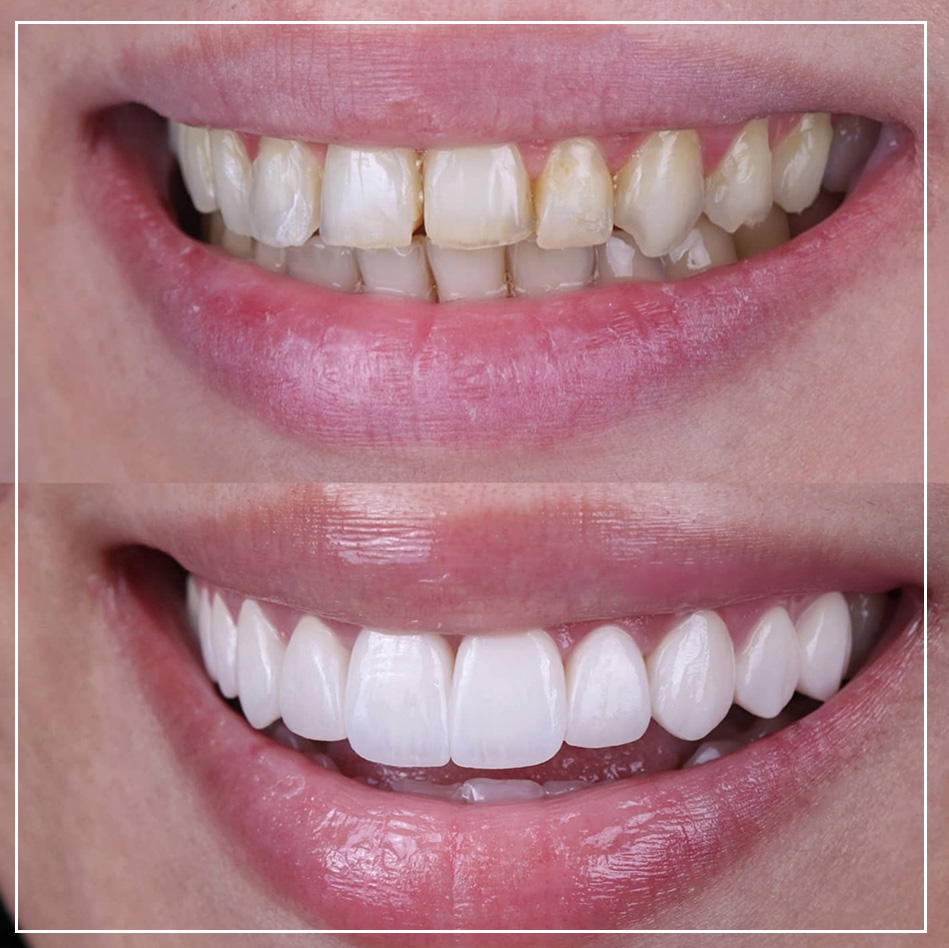
While the term is viral, the procedure is serious dentistry. At Dental Clinic Turkey, our goal is to move away from the “artificial” look and provide Natural Turkey Teeth. We focus on creating a symmetrical, bright smile that complements your unique facial features using high-quality materials like E-max® or Zirconium.

How Much are Turkey Teeth in 2026?

When it comes to dental transformations, cost is often the deciding factor for most patients.

The primary reason Turkey is the world leader in dental tourism is the significant cost advantage without sacrificing quality.

  • In the UK/Europe: A full set of high-quality veneers can cost between £15,000 and £25,000.

  • At Dental Clinic Turkey: A full-mouth transformation typically ranges from £2,500 to £5,500.

Why is it cheaper? Lower laboratory costs, favorable exchange rates, and government incentives for health tourism allow us to offer premium brands at a fraction of Western prices.

How Long Do Turkey Teeth Last?

Young Woman's TeethLongevity is a major concern for anyone investing in their smile. When performed by a qualified professional, your new smile is a long-term investment.
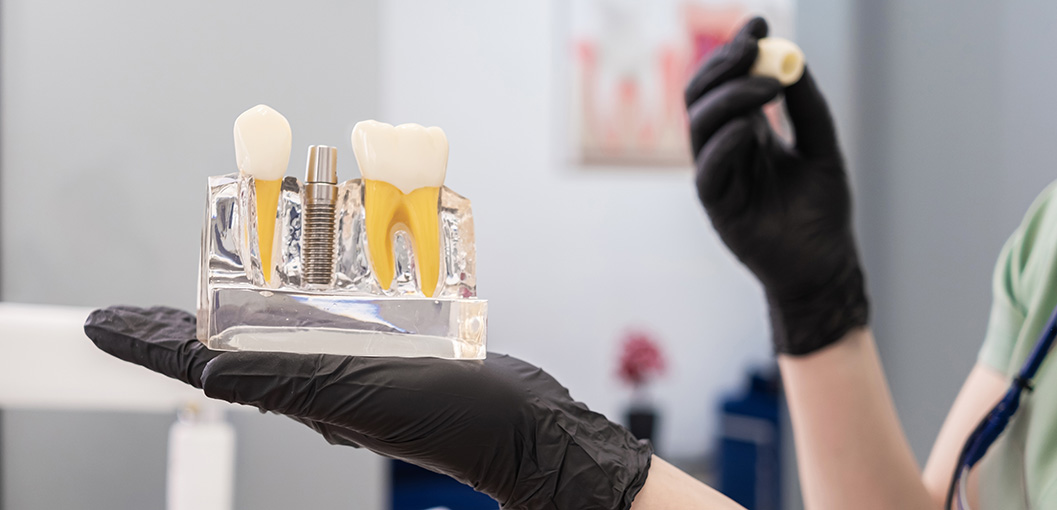
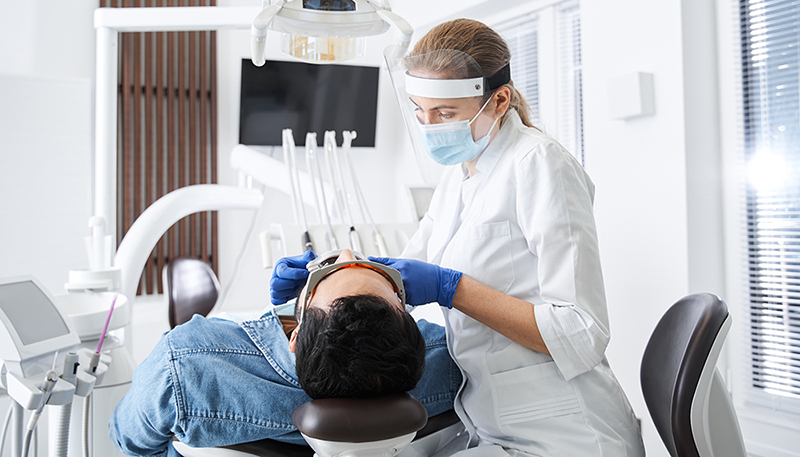
Veneers and Crowns: These typically last 10 to 15 years, and often much longer with proper oral hygiene.

Dental Implants: The titanium posts are designed to last a lifetime.

To ensure your “Turkey Teeth” last as long as possible, we recommend twice-daily brushing, daily flossing, and avoiding extremely hard foods that could chip the porcelain.

Safety and Quality: Beyond the Social Media Hype

Is it safe? Yes—if you choose the right clinic. The “horror stories” seen online often stem from aggressive over-filing of natural teeth in unlicensed facilities.

At Dental Clinic Turkey, we prioritize your dental health:

Minimally Invasive: We preserve as much of your natural tooth structure as possible.

Advanced Tech: We use 3D CT scans and digital smile design to plan your procedure with milimetric precision.

Certified Expertise: Our dentists are fully registered and use only internationally certified materials.

Combine Your Treatment with a Mediterranean Holiday

Antalya is not just about dentistry; it is about the experience. Our all-inclusive packages often include:

  • VIP Airport Transfers.

  • Luxury Hotel Accommodation.

  • A dedicated patient coordinator who speaks your language.

You can enjoy the historic sites and stunning beaches of Antalya while we craft your perfect smile.

Ready for Your Transformation?

Don’t let myths or uncertainty hold you back from the smile you deserve. At Dental Clinic Turkey, we are here to guide you through every step of your “Turkey Teeth” journey with honesty, expertise, and care.

Whether you have more questions about costs or are ready to book your Mediterranean dental holiday, our team is just a message away. Get your free virtual consultation and personalized quote today by reaching out to us directly.

Contact us now via WhatsApp or Phone: +90 546 776 30 30

Dental Implant Benefits

Benefits of Choosing Dental Implants in Turkey

Choosing the right place for dental implants is crucial. Turkey has become a top choice for many.  Why? The country offers high-quality dental care at affordable prices. This combination is hard to find elsewhere.  Dental implant costs in Turkey are much lower than in Western countries. Yet, the quality remains high.

Many Turkish dentists have international training and certifications. They use state-of-the-art technology in their clinics. Turkey’s strategic location makes it accessible for European and Middle Eastern patients. This adds to its appeal.

The Turkish government supports medical tourism. This ensures high standards in healthcare facilities. Patients can enjoy a unique travel experience while receiving dental care. Turkey’s rich cultural heritage is a bonus. Considering dental implants in Turkey could be a wise decision. It offers both quality and affordability.

Why Turkey is a Top Destination for Dental Implants

Turkey has emerged as a leader in dental tourism. Its strategic benefits draw international patients every year. Firstly, dental implant costs in Turkey are competitively low. Patients often save 50-70% compared to the US or UK.

Yet affordability doesn’t mean cutting corners. The quality of care in Turkey matches Western standards. An added advantage is Turkey’s modern dental clinics. They boast advanced technology and equipment for precise treatments.

Consider these reasons why many choose Turkey for dental care:

  • Highly trained and certified dentists
  • Comprehensive packages with travel arrangements
  • Short waiting times for appointments
  • High-quality materials meeting international standards

Moreover, many Turkish dentists hold international qualifications. Their expertise assures patients of the best care. Additionally, Turkey’s proximity to Europe and the Middle East makes travelling easy. Accessibility and cost-savings are key factors.

dentist turkey

Finally, the cultural experience Turkey offers is unmatched. Patients can explore historic sites and beautiful landscapes. In summary, Turkey combines quality, affordability, and a rich cultural experience. It’s no surprise that many find it an ideal destination for dental implants.

Understanding Dental Implant Costs: Turkey vs. Other Countries

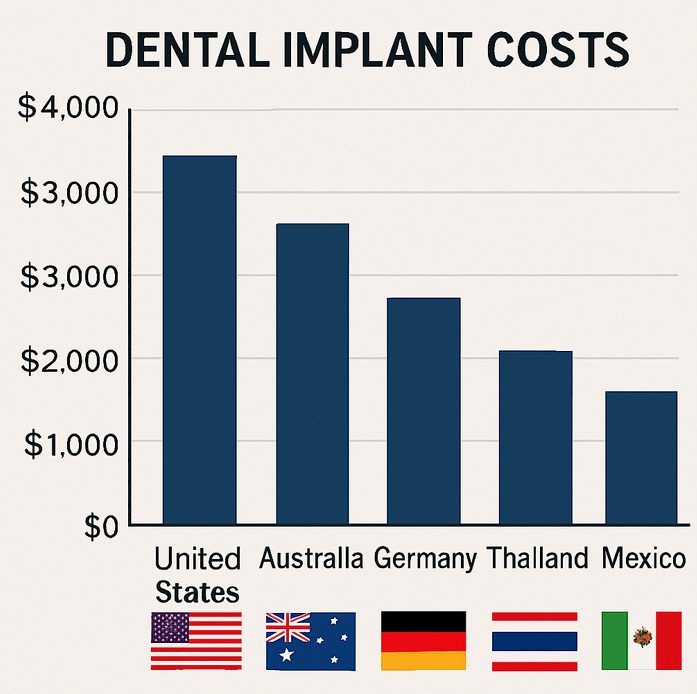
One of the main reasons people consider getting dental implants in Turkey is the cost advantage. Compared to many Western countries, Turkey offers significant savings. Dental implant costs can vary widely depending on the country. In the US and UK, prices are often prohibitive. Patients might pay several thousand pounds per implant. In contrast, Turkey provides affordable dental implants. Many patients report saving up to 70% on their total treatment costs. This is a substantial difference that attracts international attention.

Here’s a brief comparison of dental implant costs:

  • USA: $3,000 – $5,000 per implant
  • UK: £2,000 – £4,000 per implant
  • Turkey: $800 – $1,500 per implant

Moreover, these savings do not imply lower quality. Turkey maintains high standards for dental care. Patients receive premium services at a fraction of the price.

dental implant costs

The favourable exchange rate further enhances these savings. Visitors find their money goes further in Turkey, increasing overall value.

Additionally, many dental clinics in Turkey offer transparent pricing. Patients receive detailed plans outlining all costs upfront.

Overall, the cost-effectiveness of choosing Turkey for dental implants is undeniable. It’s a primary factor behind the country’s booming dental tourism industry.

Affordable Dental Implants Without Compromising Quality

Turkey stands out for affordable dental implants while maintaining high standards. Cost savings do not equate to lower quality here.

The use of top-grade materials sets Turkish clinics apart. They source implants from reputable international manufacturers. This ensures durability and aesthetic appeal.

Moreover, Turkish dental clinics strive to meet global standards. They use cutting-edge technology and advanced procedures. Many clinics gain recognition for their innovation and precision.

Here are some features of Turkey’s dental services:

  • High-Quality Materials
  • Advanced Technology
  • Precision in Procedures
  • Internationally Trained Dentists

Besides advanced technology, clinics focus on training their staff. Many dentists possess international certifications. They often attend workshops and seminars to remain updated on the latest techniques.

This blend of affordability and quality makes Turkey appealing. Patients enjoy reliable dental care without an enormous financial burden. Turkey successfully balances affordable pricing with exceptional service quality.

The Quality of Dental Care and Technology in Turkey

Turkey’s dental care industry has flourished, attracting international attention. The focus on advanced technology and patient-centric services sets it apart.

State-of-the-art equipment is commonplace in Turkish dental clinics. Clinics invest in modern tools to improve treatment outcomes. This commitment ensures top-notch care for patients. Turkish dentists employ innovative techniques, enhancing patient experience. These techniques include digital imaging and computer-assisted surgery, which increase precision and reduce recovery time.

Distinctive features of Turkish dental care include:

  • State-of-the-Art Equipment
  • Innovative Treatment Techniques
  • Comprehensive Patient Care
  • Emphasis on Comfort and Safety

Patient comfort and satisfaction hold significant importance in Turkey. Clinics design treatments to minimise discomfort and maximise results. This approach leads to high patient satisfaction rates.

Moreover, the regulatory environment in Turkey supports excellence. Strict guidelines govern dental practices, ensuring safe and effective care. Patients benefit from a well-regulated system with a high success rate in procedures.

Highly Qualified Dentists and International Standards

Turkey is renowned for its skilled dental professionals. Many dentists receive international training and certifications, ensuring they are well-versed in the latest dental practices.

The commitment to education doesn’t stop with initial training. Turkish dental professionals frequently attend workshops and courses to update their skills. This ongoing education keeps them at the forefront of dental innovation.

Dentists in Turkey strive to adhere to international standards. This commitment includes maintaining practices that align with global benchmarks for safety and hygiene. Patients can have peace of mind knowing that these professionals follow strict protocols.

Key qualifications and standards include:

  • International Training and Certifications
  • Ongoing Professional Development
  • Adherence to Global Safety Protocols
  • Commitment to Patient-Centric Care

The dedication to excellence extends beyond skills and certifications. Turkish dentists are known for their warm hospitality and attention to detail. They aim to provide a comfortable and reassuring environment for all patients.

Comprehensive Dental Packages and Patient Experience

Dental clinics in Turkey offer more than just treatment. They provide comprehensive packages designed to make patients feel at ease. These packages typically include various services to enhance the treatment journey.

Many clinics include accommodation and transport in their offerings. By doing so, they remove the logistical headaches for international patients. This approach ensures a seamless experience from arrival to departure.

Patients receive detailed treatment plans before commencing procedures. This transparency helps manage expectations and builds trust. Knowing what to expect allows patients to feel more secure in their decision.

Common components of these packages can include:

  • Accommodation Arrangements
  • Airport Transfers
  • Personalised Treatment Plans
  • Post-Procedure Follow-Up Care

Moreover, Turkish clinics often boast multilingual staff to assist international patients. This language support makes communication straightforward and helps break down any cultural barriers. Such attention to detail highlights the commitment to providing a pleasant experience for everyone involved.

The Dental Implant Procedure in Turkey: Step-by-Step

Understanding the dental implant procedure can alleviate many concerns. In Turkey, the process is well-organised and patient-focused. Each step is designed to ensure comfort and successful outcomes.

The initial consultation is crucial. During this session, dentists evaluate oral health and discuss expectations. Patients receive a personalised treatment plan tailored to their needs.

The next phase involves the placement of the implant. Dentists use local anaesthesia to minimise discomfort. This step typically spans only a few hours.

After placing the implant, a period of healing follows. This allows the implant to integrate with the jawbone. This phase is vital for ensuring the stability and longevity of the implant.

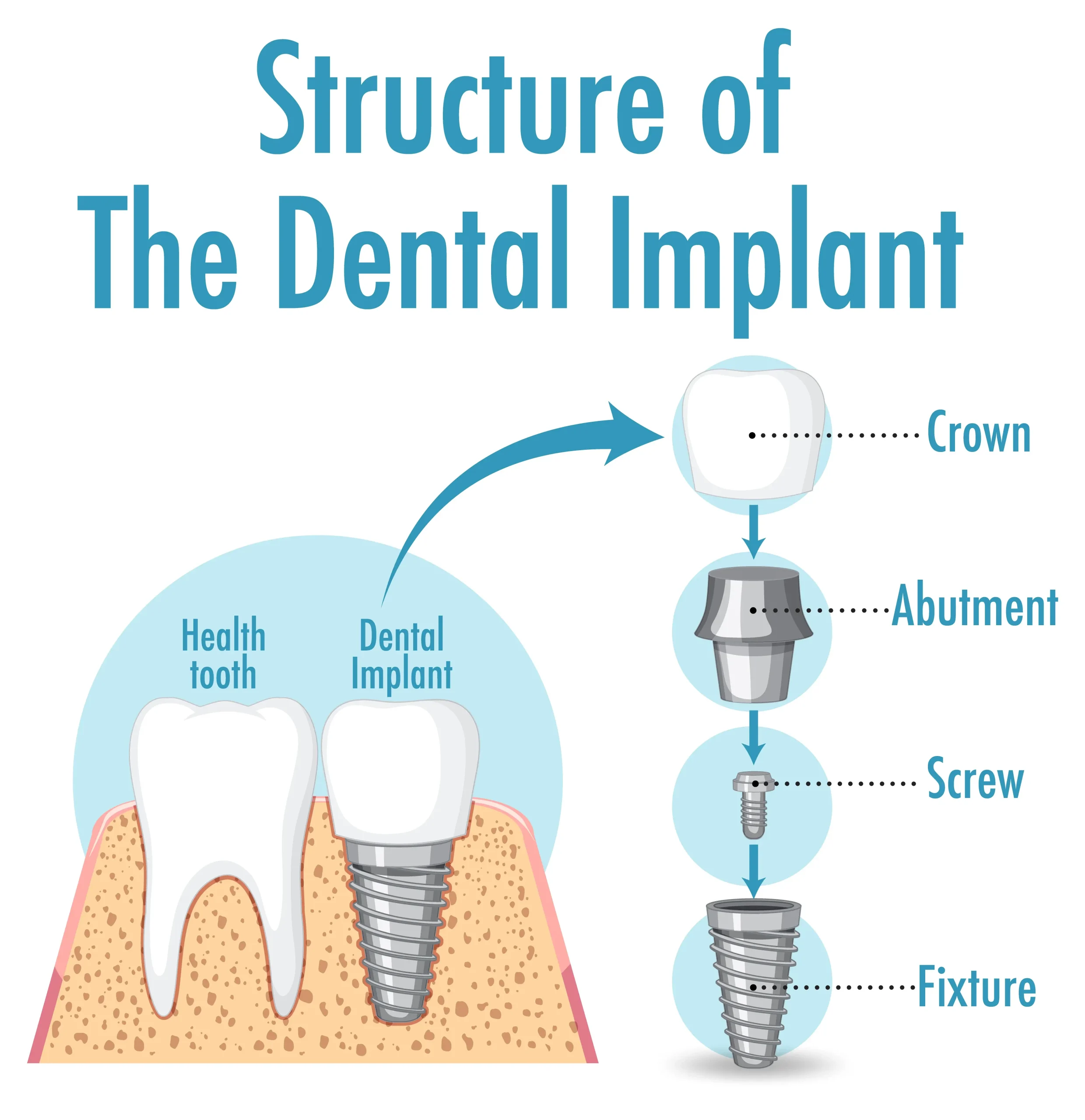
Once healed, the next appointment involves attaching the abutment. This connects the implant to the artificial tooth. Finally, the custom crown is fitted, completing the restoration.

Essential steps in Turkey’s implant process include:

  • Initial Consultation and Assessment
  • Implant Placement Procedure
  • Healing and Integration Period
  • Abutment Fitting
  • Crown Placement

Throughout the procedure, Turkey’s dental clinics prioritise patient safety and satisfaction. Each clinic upholds high standards, ensuring the process is both efficient and effective.

Safety, Regulations, and Patient Support

Safety in dental treatment is paramount, especially for international patients. Turkey excels in providing secure and regulated dental care. Clinics adhere to stringent standards, ensuring high-quality services.

Regulatory bodies oversee dental practices. This guarantees compliance with international health standards. Patients can rest assured that their care meets global expectations.

Patient support in Turkey is comprehensive. Multilingual staff often assist, making communication seamless. Support extends from initial enquiries to post-treatment follow-ups.

Turkey’s clinics offer various support services. These include:

  • 24/7 assistance for urgent queries
  • Collaboration with international insurance
  • Access to post-procedure care

Patient safety and comfort are priorities throughout the treatment process. Clinics employ state-of-the-art equipment and follow hygienic protocols. This fosters trust and reassurance among patients seeking dental solutions in Turkey.

Combining Dental Treatment with Tourism in Turkey

Turkey is a rich tapestry of culture and history, perfect for pairing with dental treatment. Patients can explore iconic sites, turning dental visits into a unique travel experience.

The blend of ancient heritage and modern amenities makes Turkey special.

Dental clinics often offer tourism packages. This enhances the overall experience and adds value. Patients enjoy sightseeing without compromising their oral healthcare.

Popular destinations include Istanbul’s historic landmarks and Cappadocia’s stunning landscapes. These spots provide relaxation and exploration after dental procedures. Combining dental care with travel is a popular choice.

Benefits of combining dental treatment with tourism include:

  • Cultural enrichment while recovering
  • Stress-free leisure activities
  • Convenient travel arrangements

Turkey seamlessly integrates health and tourism. This dual experience attracts many international patients. While receiving quality dental implants, one also gains enriching travel memories.

Real Patient Experiences and Success Stories

Many patients share positive experiences with dental implants in Turkey. High satisfaction rates are a testament to the quality of care. They praise the expertise and professionalism of Turkish dentists.

Several testimonials highlight significant cost savings. Patients often report spending 50-70% less than in their home countries. This affordability, paired with quality, is a common thread in success stories.

Exploring Turkey adds a memorable dimension to their treatment journey. Patients enjoy the scenic beauty and rich culture whilst healing. This combination of care and travel exceeds their expectations.

Key aspects from patient stories include:

  • Impressive cost savings
  • High quality of care
  • Enjoyable travel experiences

Patient reviews emphasise their successful outcomes. Turkey’s dental sector consistently receives glowing feedback. This real-world validation enhances its reputation further.

Frequently Asked Questions About Turkey Dental Implants

Many potential patients have common queries about dental implants in Turkey. These questions often focus on costs, safety, and quality of care. We aim to address the most frequent concerns.

What is the dental implant cost in Turkey? Dental implant costs in Turkey are significantly lower than in Western countries. Savings can reach up to 70%.

Are dental implants in Turkey safe? Yes, Turkish dental clinics follow strict regulations. These rules ensure high standards of safety and hygiene for all treatments.

Other frequent enquiries include:

  • How long is the recovery time?
  • Are the materials high-quality?
  • How to choose the right clinic?

Choosing Turkey for your dental implants can be a wise decision. The country’s dental professionals are renowned for their expertise. Consider these factors when making your choice.

Conclusion: Is Getting Dental Implants in Turkey Right for You?

Choosing dental implants in Turkey offers a blend of affordability and quality care. With experienced dentists and modern clinics, you will receive excellent treatment and care. The country’s strategic location and cultural richness further enhance the experience.

Consider the comprehensive packages and shorter waiting times. These features make dental implant procedures in Turkey appealing to many international patients. Evaluate your personal needs and research well to ensure the best fit for your dental health journey. Turkey can indeed be a wise choice for dental implants.

All on 4 Before After Dental Implants

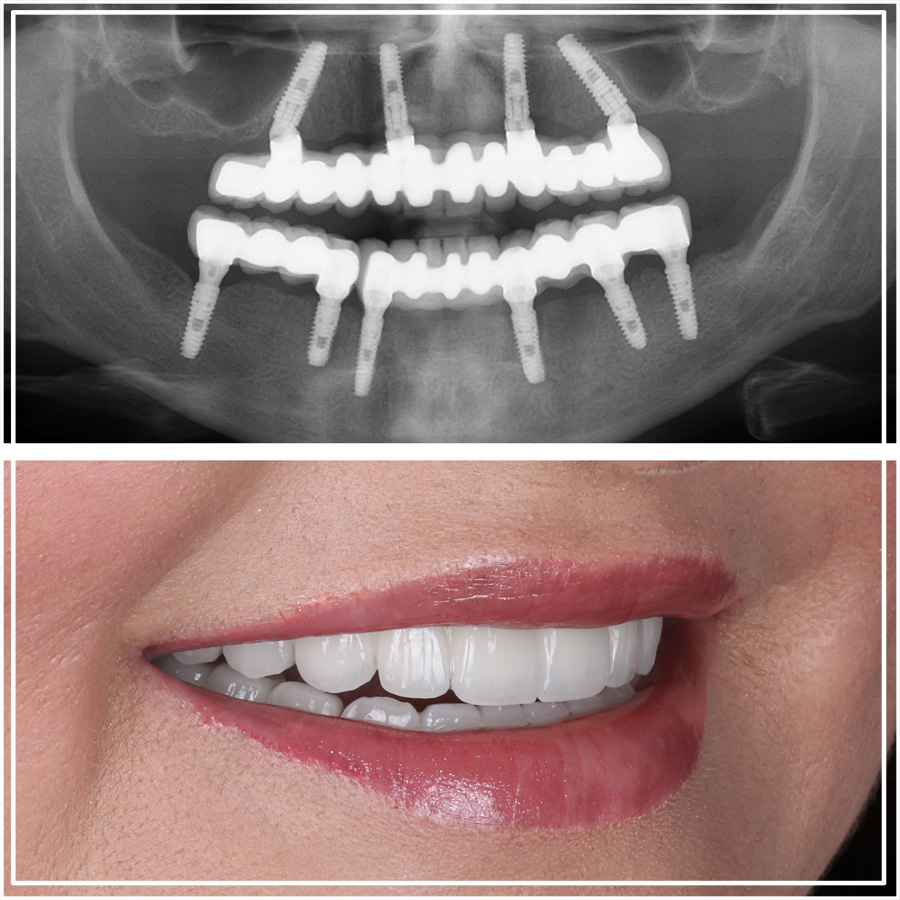
Real Transformations: Before and After All-on-4 Dental Implants in Antalya

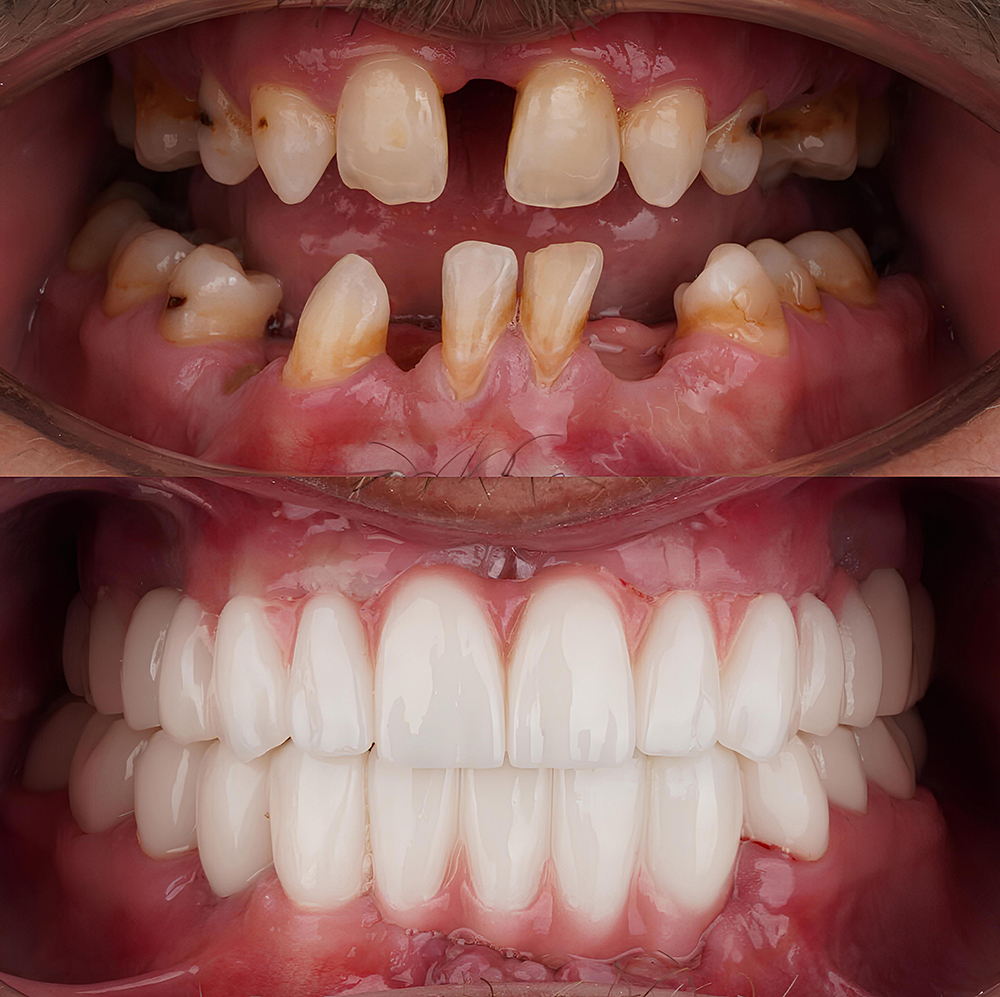
When you lose your teeth, you lose more than just your ability to chew; you lose your confidence to smile, speak, and socialize. At our Antalya clinic, we don’t just place titanium posts; we restore lives.

The All-on-4 “Before and After” journey is about more than just a dental procedure it is a total facial rejuvenation.

What to Expect: The Visual Transformation

The most striking change in our patients isn’t just the new set of white teeth. The All-on-4 technique provides a “mini-facelift” effect.

  • Lip Support: When teeth are missing, the lips collapse inward. Our custom-designed All-on-4 bridges restore the natural volume of your lips.

  • Reduced Wrinkles: By restoring the correct height between your upper and lower jaw, we reduce the “sunken” look around the mouth and chin.

  • A Natural Glow: We use high-end Zirconium and Porcelain materials that mimic the light-reflecting properties of natural enamel. No more “plastic-looking” dentures.

The Journey: From Consultation to Final Smile

The “Before” Stage

Most of our patients come to us with:

  • Advanced gum disease or failing bridges.

  • Loose, uncomfortable removable dentures.

  • Difficulty eating anything other than soft foods.

  • The habit of covering their mouth when laughing.

The “3-Day” Transition: Functional and Fast

The beauty of the All-on-4 process is how quickly you regain your quality of life. While some places promise “teeth in an hour,” we prioritize a precise fit and your long-term comfort.

  • Surgery Day: On the day of your surgery, the implants are placed. We take digital impressions of your mouth immediately after the procedure.

  • The 72-Hour Window: Within a maximum of 3 days, our dental lab crafts your custom temporary fixed bridge. This short waiting period allows the initial swelling to subside, ensuring your temporary teeth fit perfectly and comfortably.

  • The Result: By the third day, you walk out of our clinic with a fixed set of teeth—no more gaps, no more removable dentures, and a functional smile you can use while you heal.

Why the 3-Day Wait is Better for You

At our Antalya clinic, we prefer this “3-day protocol” over “instant” loading for several reasons:

  1. Precision Fit: It gives our lab technicians enough time to ensure the occlusion (your bite) is perfectly aligned.

  2. Gum Health: Placing a bridge immediately on freshly operated gums can sometimes cause discomfort if the area swells. Waiting 48-72 hours allows for a much more comfortable “seating” of the bridge.

  3. Implant Safety: It ensures the 4 implants are not disturbed during the most critical first few hours of integration.

The “After” Stage (The Final Masterpiece)

After 3 to 4 months of healing, the permanent bridge is fitted. Our “After” photos showcase:

  • Perfectly aligned “Hollywood” or “Natural-Look” smiles.

  • The ability to eat steak, apples, and nuts again.

  • A massive boost in self-esteem.

Why Our Results Stand Out in Antalya

In Turkey, many clinics offer All-on-4, but the “After” depends entirely on the artistic skill of the technician and the precision of the surgeon.

  • Digital Smile Design: We show you a digital preview of your “After” before we even begin.

  • Personalized Aesthetics: We don’t believe in “one size fits all.” We match the tooth shape and shade to your age, skin tone, and facial features.

  • Gingival Matching: We use “pink porcelain” to mimic natural gum tissue, making the transition between the bridge and your mouth invisible.

Success Stories and Statistics

Our clinical success rate for All-on-4 in Antalya is 98%. But the real statistic that matters is the 100% satisfaction of our patients who tell us, “I wish I had done this years ago.”

Frequently Asked Questions About the Results

Will my new teeth look fake? Not at all. Modern All-on-4 bridges are designed with “layering” techniques that give the teeth depth and translucency, just like biological teeth.

How long until I see the final “After”? You get an immediate improvement on Day 1. The final, most aesthetic result is achieved once your gums have fully healed, about 3-4 months later.

Ready to be our next success story?

Stop imagining your new smile and start living it. Contact us for a free virtual consultation and see how we can transform your life in just one visit to Antalya.

Bone Grafting

Dental Implants and Bone Grafts

Dental Implants and Bone Grafts: Building a Strong Foundation for Your Smile

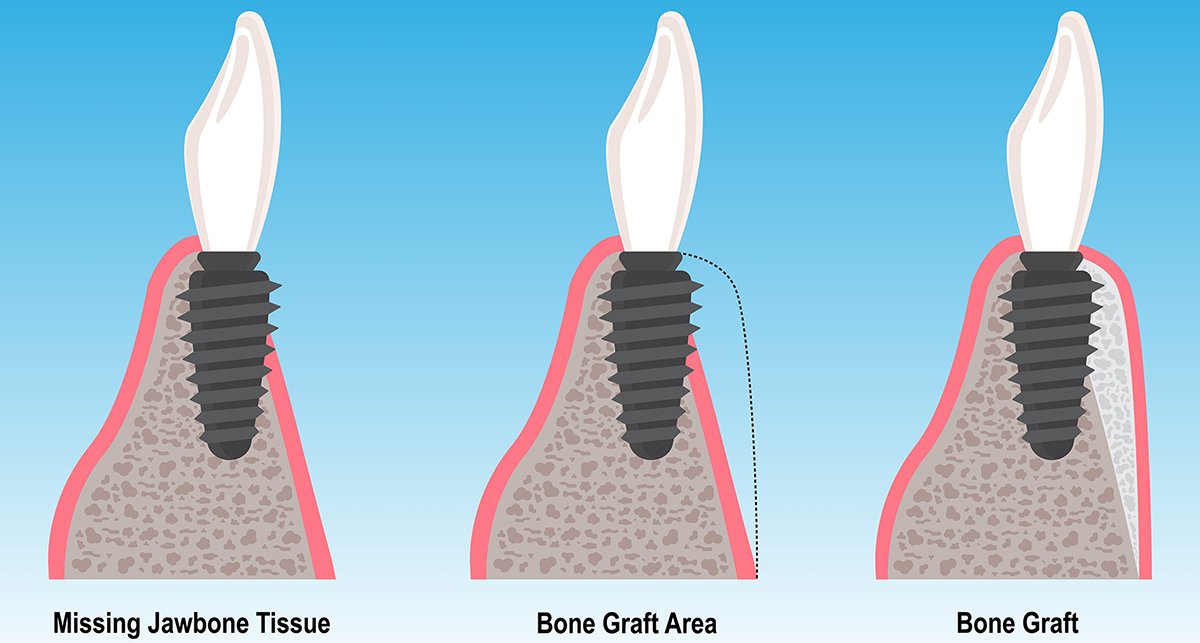
If your dentist has told you that you need a bone graft before getting dental implants, you might be feeling a bit overwhelmed. It sounds like a major surgery, but in modern dentistry, it is a routine, highly predictable procedure.

Think of it this way: You wouldn’t build a house on a weak foundation. A bone graft ensures your “foundation” (the jawbone) is strong enough to hold your “house” (the dental implant).

Can You Get a Bone Graft and Dental Implant on the Same Day?

One of the most common questions we hear in our Antalya clinic is: “Do I have to wait, or can I get it all done at once?”

The answer is: It depends on the stability of your existing bone.

  • Same-Day Procedure: If you have enough healthy bone to provide “primary stability” (meaning the implant can stay firmly in place while the graft heals around it), we can perform the bone graft and dental implant on the same day. This saves you months of waiting and reduces the number of surgeries.

  • Staged Procedure: If the bone loss is severe, the implant would have nothing to “grip.” In this case, we must place the graft first, let it turn into solid bone, and then place the implant in a second session.

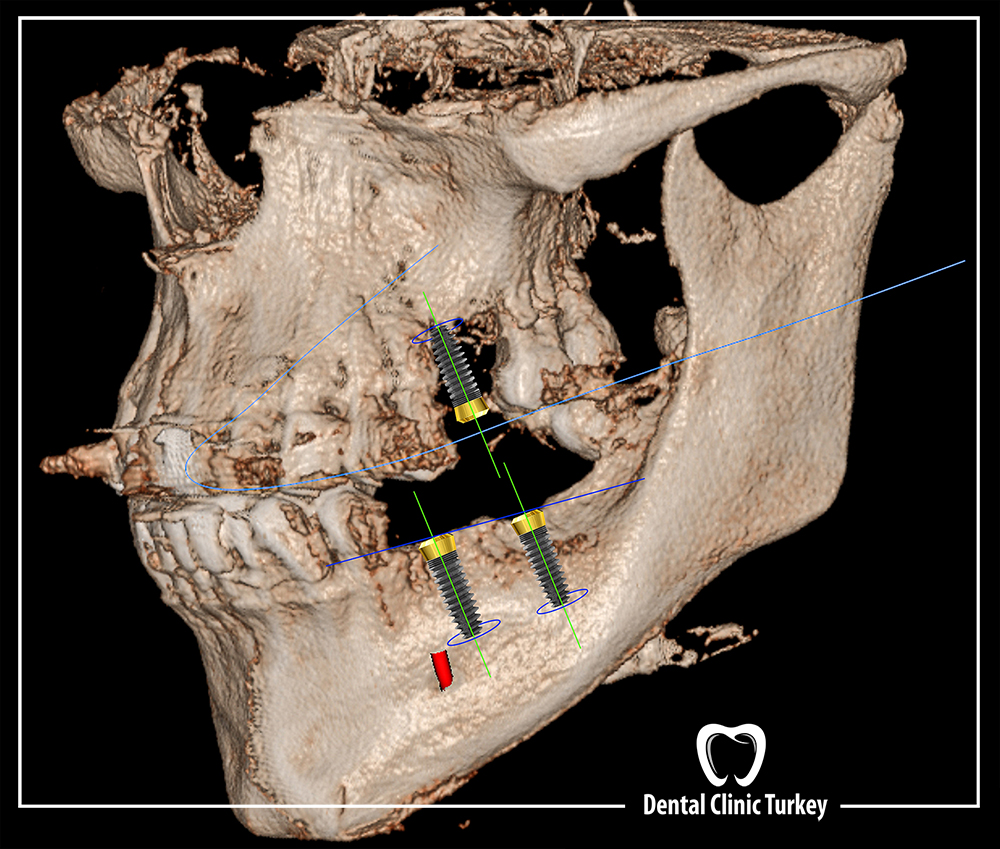
Bone Grafting and Tomography

What is the Maximum Time Between a Bone Graft and a Dental Implant?

Timing is everything. Once a bone graft is placed, it undergoes a process of maturation. However, you cannot wait forever.

The “Sweet Spot”: Usually, the ideal window to place an implant is 4 to 9 months after the graft.

The Risks of Waiting Too Long: If you exceed the maximum time (usually 12+ months) without placing an implant, the newly grafted bone can actually start to resorb (shrink) again. This is because bone needs the “mechanical stress” of an implant to stay healthy and dense.

Our Advice: If you’ve had a graft, don’t delay the implant phase more than a year. If you wait too long, you might actually need a second “top-up” graft before the implant can be placed.

Why Do I Need a Bone Graft for a Dental Implant?

When you lose a tooth, the jawbone in that area starts to recede because it no longer has a root to stimulate it.

A bone graft is necessary if:

  • Your jawbone is too thin or narrow.

  • You have significant bone loss due to gum disease (periodontitis).

  • Your sinus cavities are too close to the jaw (requiring a Sinus Lift).

How Does the Bone Grafting Process Work?

The goal of a bone graft isn’t just to “fill a hole”—it’s to encourage your body to grow new, natural bone.

  1. Preparation: The area is numbed with local anesthesia.

  2. Placement: The grafting material is placed into the area where bone is lacking.

  3. Protection: A special membrane is often placed over the graft to keep it in place.

  4. Healing: Your body performs a miracle called regeneration, using the graft as a scaffold to build its own strong bone.

Types of Bone Grafts in Dental Implantology

Dental Implants and Bone Grafting QualitySocket Graft: Done immediately after a tooth extraction to prevent bone collapse.

Lateral Ridge Augmentation: Increases the width of a narrow jawbone.

Sinus Lift: Performed on the upper jaw to create space below the sinus.

Recovery and Success Rates

The success rate for bone grafts in Antalya is over 95%. Recovery typically involves:

First 48 hours: Minor swelling and discomfort, easily managed with ice and ibuprofen.

1 Week: Stitches are removed, and you can return to a normal routine.

3-6 Months: The “waiting game” while the bone matures (unless you had a same-day procedure).

Why Choose Antalya for Your Treatment?

Bone grafting requires surgical precision. In Turkey, our clinics use PRP (Platelet-Rich Plasma) therapy using your own blood to speed up the healing of the bone graftat a fraction of the cost you would find in the UK or USA.

Screwless Dental Implants

What are Screwless Dental Implants and How Do They Work?

When people hear the word “implant,” they often visualize a hardware store—screws, drills, and metal. While traditional dental implants do involve a threaded titanium post, the industry is moving toward “screwless” innovations.

But what exactly does a screwless dental implant mean, and is it a better choice for your smile? Let’s break down the technology behind this modern dental advancement.

What Does “Screwless” Actually Mean?

In the dental world, “screwless” typically refers to how the crown (the visible tooth) is attached to the implant (the root in the bone).

In traditional implants, a tiny “abutment screw” connects the two parts. In screwless systems, we use alternative methods to secure the tooth. There are two main types:

  • Cement-Retained Implants: The crown is bonded to the implant using a high-strength dental adhesive, similar to how a traditional crown is placed on a natural tooth.

  • Friction-Fit (Conical Connection) Systems: These use advanced engineering where the parts fit together so precisely (a “cold weld” effect) that they stay locked by friction alone, without the need for an internal screw.

How Do Screwless Implants Work?

The process follows a sophisticated biological and mechanical path:

  1. The Base (The Root): Even in “screwless” systems, a titanium or ceramic post is still placed into the jawbone. This post is often tapered to mimic a natural tooth root.

  2. Osseointegration: Your jawbone grows around the post over 3-4 months. This creates a rock-solid foundation.

  3. The Connection: Instead of a screw that can potentially loosen over time, the dentist uses a locking taper or biocompatible cement.

  4. The Result: A seamless transition between the gumline and the tooth, with no “screw hole” visible on the biting surface of the tooth.

The Benefits of Going Screwless

Why are more patients in Antalya asking for this specific technology?

  • Superior Aesthetics: Because there is no access hole for a screw, the chewing surface of the tooth looks 100% natural. This is especially important for front teeth.

  • Reduced Risk of Fractures: Traditional screws are the “weak point” of an implant. Screwless systems distribute biting forces more evenly, reducing the risk of the porcelain chipping.

  • No “Screw Loosening”: One of the most common minor implant complications is a screw vibrating loose over years of chewing. Screwless systems eliminate this specific maintenance issue.

  • Gum Health: The connection in screwless systems is often tighter, leaving less room for bacteria to hide, which helps prevent peri-implantitis (implant gum disease).

Are There Any Downsides?

While the technology is impressive, there are a few things to consider:

  • Retrievability: If a cement-retained crown needs to be removed for a repair, it is much harder for the dentist to take it off without breaking it. Screw-retained teeth can simply be “unscrewed.”

  • Precision Requirement: Friction-fit systems require a very high level of skill from the surgeon and the dental lab.

Is it Right for You?

Screwless implants are an amazing option for patients who prioritize aesthetics and want to avoid the minor mechanical risks of traditional hardware. However, the best choice depends on your bone density and which tooth is being replaced.

At our clinic in Antalya, we use 3D digital planning to decide whether a screw-retained or screwless system will provide the longest-lasting result for your specific anatomy.

Ready for a modern dental experience? If you’re looking for the latest in dental technology at a fraction of the cost in Europe or the US, contact us today. Our Antalya experts are pioneers in screwless and minimally invasive implantology.

Dental Implant and Remove

Can Dental Implants Be Removed and Replaced with Dentures?

Dental implants are often hailed as the “gold standard” for tooth replacement. However, life happens. Whether due to medical complications, implant failure, or a change in personal preference, many patients find themselves asking: “Can I actually take my dental implants out and go back to traditional dentures?”

The short answer is yes, but the process is more nuanced than simply “swapping” one for the other. Here is everything you need to know about transitioning from implants back to dentures.

Why Would Someone Replace Implants with Dentures?

While dental implants have a success rate of over 95%, there are specific scenarios where a patient might consider a transition:

  • Peri-implantitis: A form of gum disease that causes infection around the implant, leading to bone loss and instability.

  • Implant Failure: When the titanium post fails to fuse with the jawbone (osseointegration).

  • Medical Changes: Certain health conditions or treatments (like radiation therapy or uncontrolled diabetes) can make maintaining implants difficult.

  • Financial Constraints: Maintaining complex “All-on-4” bridges or repairing multiple failed implants can become costly over time.

  • Comfort Preferences: Some patients find that their specific jaw structure feels more “natural” with a well-fitted removable prosthetic.

The Process: How Implants are Removed

Removing a dental implant is a surgical procedure. Unlike a tooth extraction, the implant is fused to your bone.

  1. Assessment: Using 3D CT scans, your dentist determines how much bone is attached to the implant.

  2. Removal: If the implant is loose, it is easily removed. If it is still integrated, a specialized tool (a piezo-electric device or a small bur) is used to gently “un-thread” or cut the implant away from the bone with minimal trauma.

  3. Bone Grafting: In many cases, removing an implant leaves a “void” in the jawbone. To support a future denture, your dentist may need to perform a bone graft to keep the jaw ridge strong.

Transitioning to Dentures: What to Expect

Once the implants are removed and the site has healed (usually 8 to 12 weeks), the process for creating dentures begins.

1. Custom Impressions

Your dentist will take a mold of your healing gums. Because implants help preserve bone, their removal might cause the jawbone to shrink slightly. Precision in these impressions is vital to ensure the denture doesn’t slip.

2. The Fit Factor

Traditional dentures rely on suction and the shape of your boney ridge. If you have lost significant bone due to the failed implants, you may need to use denture adhesives or consider “mini-dentures” for added stability.

3. Speech and Eating

There is a learning curve. Implants are fixed and feel like natural teeth; dentures are removable and sit on top of the gums. It may take a few weeks to regain your full speech clarity and chewing confidence.

The Pros and Cons of Making the Switch

The Benefits:

  • Easier Hygiene: You can remove the teeth to clean them thoroughly, which is helpful for patients with limited manual dexterity.

  • No Further Surgery: Once the implants are gone, you won’t need invasive procedures if the denture needs replacing.

  • Lower Long-term Costs: Dentures are generally cheaper to repair or replace than full-arch implant bridges.

The Challenges:

  • Bone Loss: Without implants to stimulate the bone, the jaw will naturally recede over time.

  • Stability: Dentures can shift while talking or eating, unlike the “rock-solid” feel of implants.

  • Taste Perception: Full upper dentures cover the palate, which can slightly reduce your ability to taste food.

Is There a Middle Ground?

If you are unhappy with your implants because they are hard to clean, but you hate the idea of a “loose” denture, consider Overdentures (Snap-on Dentures).

This hybrid solution uses 2 or 4 implants to “snap” a denture into place. It combines the easy cleaning of a denture with the stability of an implant, often providing the best of both worlds.

Final Thoughts

Removing dental implants and replacing them with dentures is a major decision that requires a specialized surgical approach. If you are experiencing discomfort or are unhappy with your current dental work in Antalya, our team can provide a full digital diagnostic to see if a “switch” is the right move for your oral health and lifestyle.

Contact us today for a consultation. Let’s find the solution that makes you smile again.