
Dr. Denti
Dr. Denti
WhatsApp Free Consultation
photo
Prosthetic Dentistry

Prosthetic Dentistry

What is Prosthetic Dentistry?

Prosthetic dental treatment, which is one of the treatment methods that can be preferred in the loss of one or more teeth, improves the quality of life of people, reduces the disruptions in daily routine and offers a long-term solution. Prosthetic dental treatment, which is frequently preferred in tooth loss, will continue to be preferred because it provides solutions for various conditions and allows personalized treatment.

Prosthetic dental treatment is the replacement of aesthetically and functionally impaired teeth. Prosthetic dental treatments often also allow a rapid psychological recovery in patients, because it provides improvement in speech, nutrition and other functions of the jaw. Applications for ensuring oral and dental integrity, obtaining an aesthetic and natural appearance and preserving the functions of the jaw are in the field of interest of prosthodontists (prosthodontists) who perform prosthetic dental treatment.

When Is a Dentist Checkup Needed?

Dentist control is recommended as soon as possible in new tooth loss or in the presence of missing teeth for a while, because missing teeth pave the way for deformities in bone tissue and gum diseases. The longer it is spent with a missing tooth, the more severe the damage may be and the less likely it is to be reverted. Some situations that require a visit to the dentist for prosthetic solutions are as follows:

  • Broken, worn, chipped teeth
  • Bleeding, severely painful teeth and gums
  • Tooth sensitivity
  • Aesthetic concerns such as discoloration of teeth

In Which Situations Is Prosthetic Dental Treatment Applied?

Prosthetic dental treatments can be applied to replace teeth in tooth loss due to trauma or other diseases. It is mostly preferred to replace teeth that are late for treatment and cannot be saved. For this reason, the issue of oral and dental health should not be neglected and regular dentist checks should not be interrupted. The most preferred cases of prosthetic dental treatment are listed below:

  • In cases where the teeth need to be aligned and their functions should be preserved in individuals where the jawbone is misplaced
  • In dental dysfunctions that occur later due to various diseases or traumas.
  • In tooth loss
  • In individuals who apply with aesthetic concerns
  • In patients with severe psychological or physical problems due to tooth defects or loss

What are the Advantages of Prosthetic Dentistry?

Prosthetic dental treatment has positive results such as improving the patient’s quality of life and providing an aesthetic appearance, positively affecting the mood and ensuring that the most basic needs such as nutrition are met without any problems. The advantages to be obtained in case of planning prosthetic dental treatment can be listed as follows:

  • Recovery of vital functions such as chewing and speech lost due to tooth loss
  • Obtaining an aesthetic and natural appearance
  • Minimizing the risk of disease by protecting oral health
  • Providing psychological recovery

What Are the Types of Prosthesis Used in Prosthetic Dentistry?
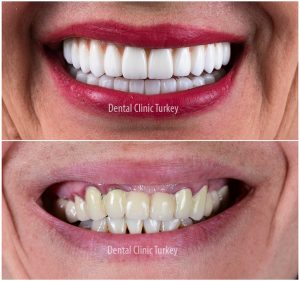
full mouth implant for womanProsthetic dental treatments are grouped under two headings as fixed prosthesis application and removable prosthesis application. Fixed prosthesis applications are the process of replacing missing or damaged teeth in the closest way to their original state, while preserving their aesthetic appearance. It is produced by taking support from the existing undamaged teeth and fixed in the mouth with various chemicals. Commonly used fixed prosthesis types are as follows:

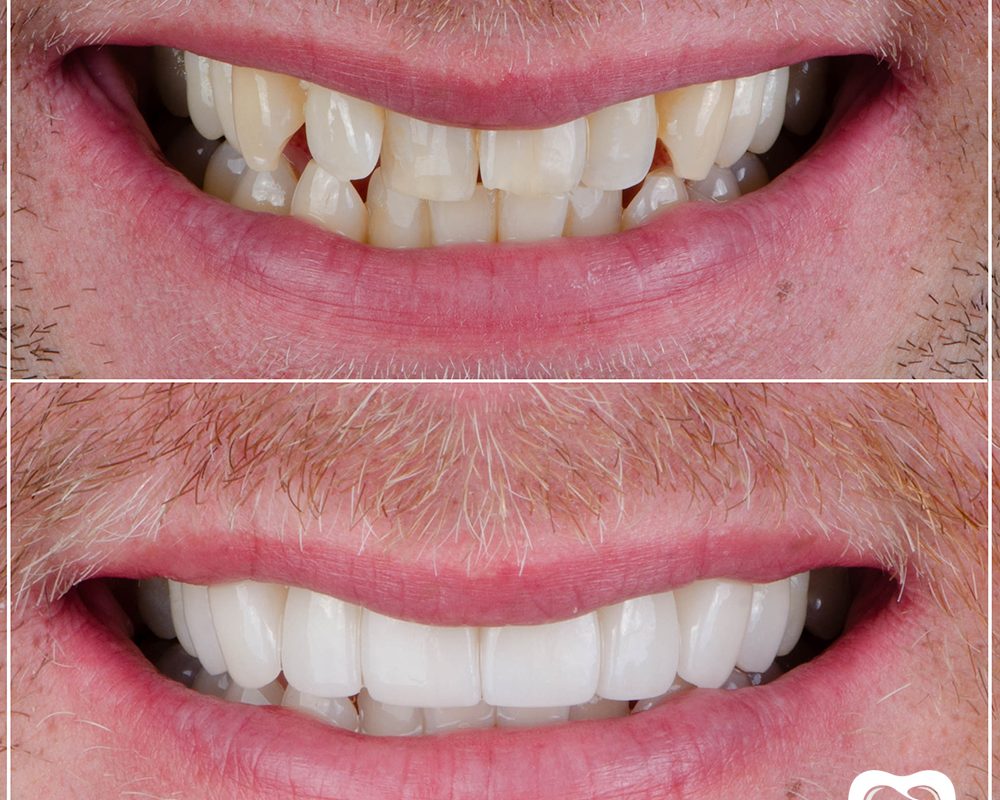
Crown treatment: Crown is also known as veneer among the people. It is preferred in cases of deterioration of tooth integrity caused by conditions such as widespread and deep dental caries, tooth fractures and nearly complete losses. While teeth are crowned; Different materials such as metal, porcelain with metal support, zirconium substructure and reinforced porcelain are used. Porcelain laminates are known as leaf porcelain, and because they are very thin porcelain that adheres to the front outer surface of the teeth, they can be used to fill the spaces between the teeth, to lengthen or reshape the teeth, and to color the teeth. Porcelain laminates are preferred for smile design such as permanent whiteness.

Metal Supported Porcelain Veneer: It consists of porcelain for aesthetic appearance and metal infrastructure for support. It does not give a natural appearance as it has not high light transmittance.

Zirconium Coating: Since the light transmittance is high in zirconium supported coatings, the closest appearance to the natural look can be obtained. The inner part of the tooth consists of zirconium, and the visible outer part consists of porcelain.

Bridge: It can be preferred when there is one or more missing teeth. Support is provided by the natural teeth located next to the dental cavities. Bridge therapy can be applied with different techniques. After the treatment, functions such as decreased chewing and speech are regained and an aesthetic appearance is obtained.

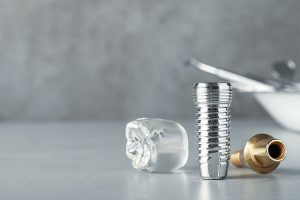
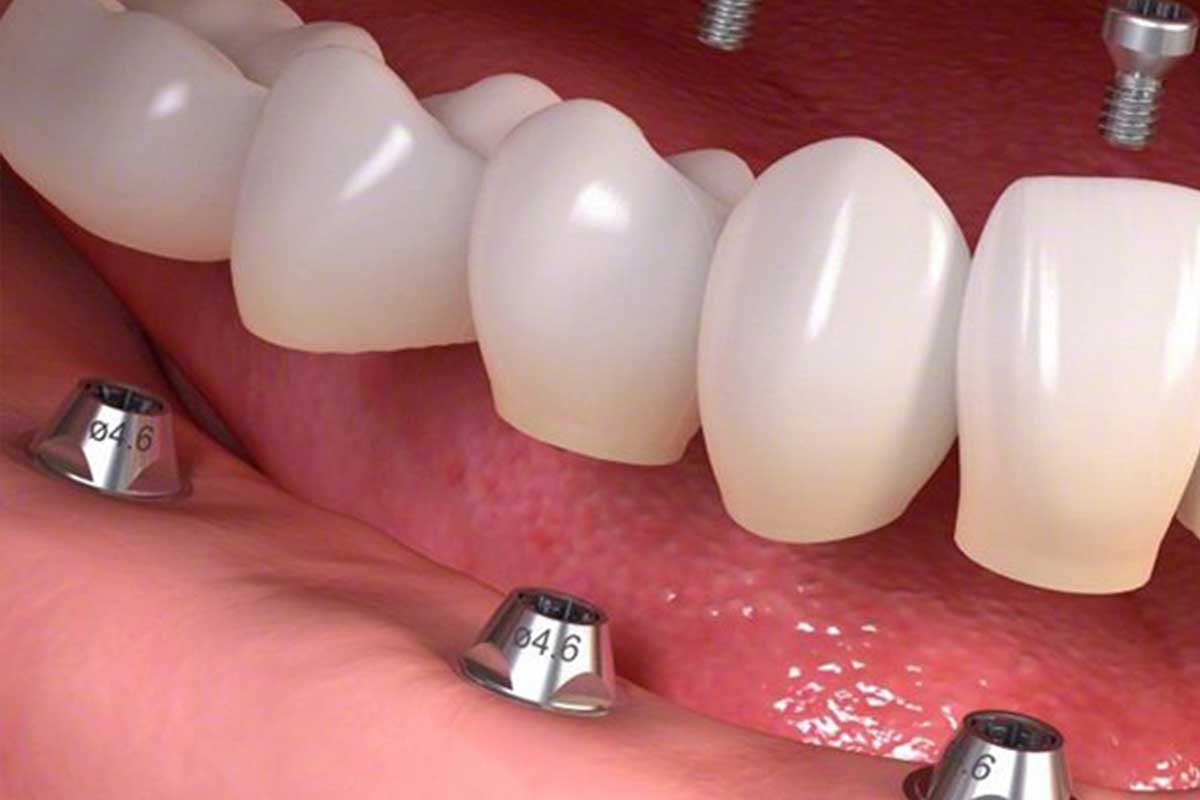
Implant: Implant treatment is often preferred because it is long-lasting and efficient. The ability to add different prostheses to the implants is one of the main reasons for choosing implant treatment. The chewing function is preserved by the artificial tooth root fixed to the jawbone. Implants are widely preferred because of their positive aspects; however, it may cause some mechanical and biological complications, although not frequently. Screw loosening, porcelain breakage, and destruction of the soft tissue and bone around the implant are among the complications that may lead. Cost of dental implants is also among the important factors affecting the preference of patients.

Removable dentures, on the other hand, are artificial prostheses that are removable by patients and can replace lost teeth. It is preferred in cases where natural teeth are present but sufficient support cannot be provided for the placement of fixed prosthesis. They are partial prostheses as they can be inserted and removed by the patient. Metal parts in partial dentures may prevent the formation of an aesthetic appearance.

In addition to fixed and removable dentures, dentures on implants can also be preferred in prosthetic dental treatment. Implant prostheses are divided into fixed, removable and hybrid. In the treatment of fixed prosthesis over the implant, crown or bridge prostheses fixed by taking support from one or more implants are used. Fixation is achieved by gluing or screwing. It is often preferred when it comes to the loss of several teeth. Thus, the missing tooth area is filled with prosthesis and healthy teeth are preserved.

Fixed prostheses on implants; may contain metal, ceramic or zirconium. Implant-based removable prosthesis treatment can be preferred in cases where all the teeth are missing. It is based on the logic of placing an implant in the jawbone. This type of prosthesis supported by tissue and implant avoids the problem of detachment of removable prostheses. Hybrid prostheses on implants can be preferred because they are easier for patient use. This type of prosthesis cannot be removed by the patient; but it can be removed by dentists when necessary.

Prosthetic dental treatments applied for the treatment of defects that occur after congenital anomalies, severe traumas, previous tumor surgeries may not give the desired results. Maxillofacial prostheses can be preferred in such cases in terms of restoring functions and providing aesthetics. Transparent night plaques can be used to prevent or alleviate the problems that may occur in the teeth, gums and jaw joint due to clenching and grinding of the teeth during sleep or while falling asleep.

The Process of Getting Used to Dentures

Even with well-made prostheses, getting used to the prosthesis can be a process that requires patience and time. It is recommended that patients go through this process by following the recommendations of the dentist and being determined about the use of prosthesis. It may take up to 4-6 weeks to return to normal eating habits with total prostheses. There may be difficulties in pronouncing some sounds for a while, speaking loudly.

It is recommended to wear the dentures continuously during the habituation process and not to remove them even at night. After the acclimatization period, the prosthesis can be removed at night and left on a clean towel. Thus, the soft tissues in the mouth are given the opportunity to rest and repair. Prostheses have a lifetime and therefore it is not possible to use them for a lifetime. Although it varies from patient to patient, it may require renewal every 5 years under normal conditions.

Prosthetic Dentistry Prices

Dental prosthesis treatments are generally considered as one of the milestones that positively change a person’s quality of life. Prosthetic dental treatments can positively change the mental state due to the smile and appearance, as well as contribute to oral and dental health. Dental treatments are often costly, require budget planning and patience. Therefore, it is important to manage the process together with a good dentist in order to plan the prosthesis correctly and appropriately.

If you want to get information about Prosthetic Dentistry, you can contact us directly at +90544348087.
Dental Implant Prices

Dental Implant Prices

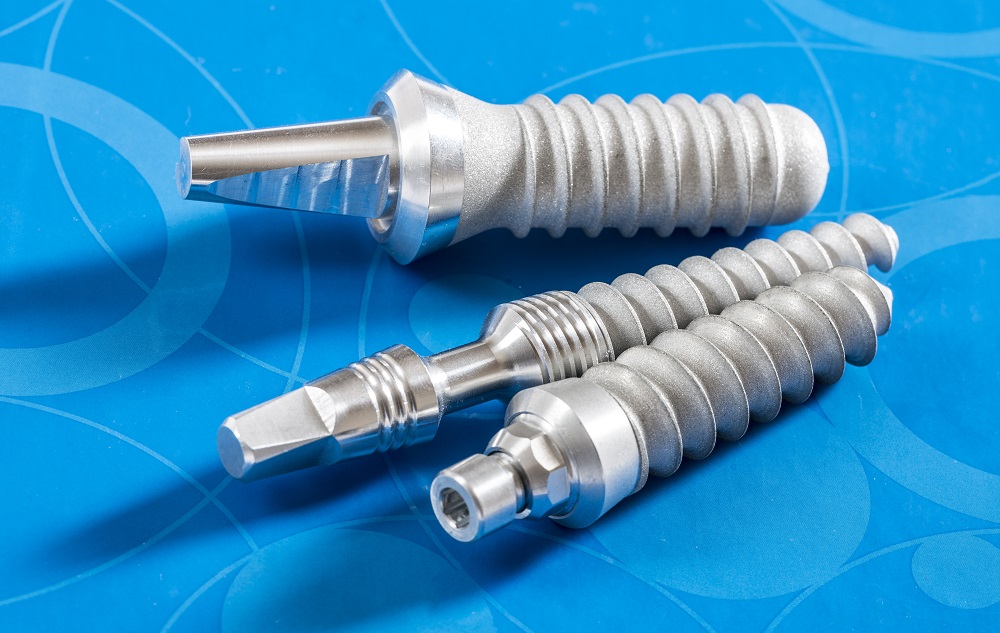
Dental implant is the name given to the process of attaching a dental prosthesis with the help of a screw to replace a tooth lost due to tooth decay or any other reason. Since the dental implant is a prosthesis that replaces the teeth, it is very important in terms of providing both nutrition and the appearance and integrity of the teeth. For this reason, a successful dental implant can improve the quality of life of patients. In order to maintain the strength of the jawbone and facial muscles, the teeth must regularly perform functions such as chewing and biting. For this reason, a successful implant is the most basic assistant and supplement of oral and dental health when necessary. Dental implant prices vary according to the number of teeth implanted and other procedures performed together.

Things to Know About Dental Implants

The implant is a surgical procedure and therefore the general health of the patient should be good. It should be done after detailed examination and examinations. Before dental implant, it is necessary to measure the tooth and tooth cavity correctly and to apply the implant, which is a whole with the patient’s gums and other teeth. If the dental implant fails, many problems may arise, such as both eating and tooth compatibility.

Successful Dental Implant Matters

Since the failed dental implant repeats the operation, it means both financial and psychological negativity for individuals. Failed implant symptoms are listed below:

Gum Diseases: If the implanted tooth is not fully seated, the food residues that go into the spaces between the gums can cause many discomforts, especially gum recession. Pain in the gums and bleeding gums are the biggest signs of this. It can also sometimes lead to gingivitis.

Infection in the Implant Area: Infection may occur in the tooth area where the dental prosthesis is made due to the size and size of the implant not being fully settled.

Movement of the Implant: As with the patients’ own natural teeth, the implanted teeth should remain fixed. Thus, there is no difficulty in chewing and speaking.

Allergic Reactions: Allergies may occur in dental prostheses using titanium alloy. This is among the symptoms of failed implants.

Difficulty in Chewing: It is usually the most prominent among the symptoms of failed implants, both in the near term and in the long term.

In order to minimize the risk of encountering all these problems, a specialist and experienced dentist should be consulted. Although implant tooth prices increase and vary according to the region, it should not be forgotten that a healthy and successful implant is vital.

How Are Dental Implant Prices Determined?

Implant tooth prices may increase or decrease according to the number of missing teeth in the tooth structure of the person. The origin of the implanted material is another important factor in implant tooth prices. The domestic or foreign origin of the raw material can also change the implant price. Another important issue about dental implant prices is the experience and expertise of the doctor.

The successful results of a successful dentist should be considered when evaluating dental implant prices. A healthy implant provides permanent use and is significantly effective in increasing your quality of life. The most accurate information about dental implant prices and implant processes can be given after the necessary examinations and controls.

For this reason, it is important to consult a dentist as soon as possible for your general complaints and treatment process. A dentist should definitely decide which type of implant will be made and whether your mouth and jaw structure is suitable for the implant.

If you are looking for answers about dental implant prices, the treatment process and all the issues you are curious about, you can fill out the form to get an appointment and information from our oral and dental health department. Or you can reach us in the fastest way by calling us on our Whatsapp line.

Call Us for Get Free Quote +905443480787

dental implant care

How is Implant Dental Care Performed?

Implant dental treatment is one of the most suitable methods to replace your missing teeth and to have your cracked, damaged or unhealthy teeth treated. Thanks to the dental implant, you can have healthy mouth and teeth. Implant teeth can perform the same functions as your natural teeth. They do not cause you any trouble during biting, chewing or other jaw movements.

You can replace your teeth that you had to have or will have to be extracted for any reason with Implant dental treatment. Implant teeth may face gingival disorders like natural teeth. Therefore, you need to take care of your implant teeth.

Implant Dental Care

Implant dental care should begin with the placement of dental prostheses at the root of the tooth. After the end of the implant treatment, bleeding may occur in the gums of the patients at first. Tampons can be made to prevent these bleedings. Nothing should be consumed within the first 2 hours after implant treatment. During the first 48 – 72 hours, consuming extremely hot or extremely cold foods should be avoided. If swelling occurs in the gums after the treatment, the swelling can be reduced with ice therapy.

As with natural teeth, dental implants can cause plaque and bacteria formation or inflammations. For this reason, the person who has an implant tooth should take care of your oral and dental hygiene a little more and take care of it correctly. While performing your implant dental care, you should take care to use dental floss and mouthwash as well as brushing your teeth. Using an electronic toothbrush can help you more than other toothbrushes to clean your mouth and teeth. Because the vibrations created by the electronic toothbrush better clean the plaque formed by food particles under the gum line.

While performing oral and dental hygiene, you can completely clean the food particles that have escaped between the gums and teeth by using dental floss in the area where the implant tooth is attached. You can gargle with a salt water mixture. In this way, you can literally clean the acid and bacteria left on your teeth. You should stay away from applications and care products that will corrode your teeth and damage your teeth with acidic substances, just because you will fully perform your hygiene. Otherwise, you may damage the implant tooth.

Implant teeth can also turn yellow and stain like natural teeth over time. Therefore, you should avoid excessive consumption of coffee, tea, cigarettes and alcohol. In addition, while performing your oral and dental hygiene, you should not damage the implant tooth root, which is made of titanium, which absorbs sweat under the gums. For this reason, you should avoid hard moves and excessive pressure while brushing or flossing your teeth.

Melting may occur in the jawbone holding the implant tooth, and after these meltdowns, the implant teeth and natural teeth may fall out. For implant dental care, you can regularly go to specialist dentists for control. By going to the dentists, you can have both your natural teeth and your implant teeth cleaned and find out if they are healthy.

dental implantImplant care is an issue that should be focused on sensitively after tooth transplantation. Implants are artificial carrier tooth roots that are attached to the jawbone instead of the tooth root. After the implant process is completed, the patient wants a tooth in the type and model that he/she likes to be mounted on the implant. This veneer can be a porcelain or zirconium type product.

The implant offers great advantages to the patient in many ways. It is a fact that the lack of teeth poses great problems both in terms of aesthetics and health. Inability to perform eating and drinking activities without any problems, gingival sagging, deterioration of the rows of other teeth, shifting, problems arising from prostheses placed instead of implants, deterioration of face and smile aesthetics (especially in the absence of anterior teeth), heart and digestive problems, jaw bone meltdown, It causes many problems such as speech disorders.

After implant dental treatment, implant care is an issue that should be emphasized with precision. In the rest of our article, we have touched on some important issues related to post-implant oral care that we think may be useful for you.

Oral Care After Implant

  1. The tampons placed on the implanted area should be bitten for one hour in such a way that they do not loosen moderately. If bleeding does not continue after one hour, it can be discarded. If bleeding continues, a new clean tampon is bitten for another half hour. If bleeding still continues, tampon application should continue until the bleeding stops. There may be some leakage from the surgical site in the first 4-6 hours after the operation. In cases where the bleeding continues for a longer time, you should consult your doctor.
  2. Do not eat or drink anything for 2 hours after the implant application. In the first 48-72 hours, you should stay away from hot foods and drinks. Soft and room temperature foods (such as soup, yoghurt, pudding, bread crumbs) are suitable. Acidic fruit juices, alcoholic beverages and spicy foods should be avoided. If the patient has diabetes, he should continue to eat carefully and regularly in accordance with the recommendations of his doctor.
  3. You should not smoke for 4-5 days following the implant surgery. Smoking should not be avoided after surgery, as it will irritate the wound area, jeopardize healing and increase the temperature in the mouth. In patients who smoke excessively, it is difficult to close the sutures in the wound area. This can also lead to inflammation.
  4. Edema (swelling) is observed at the end of oral surgery. It’s normal. This edema can be alleviated with an ice pack applied on the operation area intermittently on the first day (applying 5-10 minutes and resting for 10-15 minutes). Continuous use of the ice pack can cause ice burns. Therefore, ice application should be applied at intervals as described above. At the end of the first 72 hours, edema or swelling will begin to decrease gradually. Take care to use the painkillers recommended by your dentist for a certain period of time.
  5. Avoid blowing movements that will stretch your cheek to protect your stitches. Do not touch your finger or tongue to the seams. If any of your stitches come off within the first 5 days, it would be beneficial to check with your dentist again. If necessary, your dentist may suture again.
  6. Follow your dentist’s prescription for post-operative recovery. Aspirin or similar drugs that increase bleeding (salicylic acid derivative) should not be taken. The most severe pain is in the first 6 hours when the effect of local anesthesia wears off. However, if your pain is so severe that you cannot bear it, you should consult your doctor.
  7. You can apply normal brushing procedures to the non-operated areas. Brush the teeth in the operation area without touching the sutures and gums. Approximately two days after the operation, gargle with the mouthwash recommended by your dentist, after brushing your teeth twice a day in the morning and evening.
  8. At the end of the period recommended by your doctor (7-10 days), have your stitches removed. Your doctor will make an appointment and follow up with you depending on your oral and healing speed. Be sure to attend your appointments.

Long-term care recommendations after implant surgery:

If you want to use your new teeth efficiently for many years after your implant treatment is completed, you should be very careful about implant care. Just like your natural teeth and gums, a meticulous protection process is required for implant care. For a long-lasting implant use, it will be sufficient to pay attention to the following short tips.

  1. An over-implant prosthesis is made on each implant. This prosthesis can be a single dental crown or bridge prosthesis, or it can be a fixed or removable prosthesis on the implant. Food residues accumulating around the implant can lead to implant disease called implantitis, just like gum disease. For this reason, the part where the implant and the gingiva meet, the spaces between the implant and the neighboring teeth should be cleaned carefully. For this, you should use dental floss and an interface brush in addition to a regular toothbrush. Your dentist will show you how to use it.

2.Do not forget to clean your tongue and palate as well as your teeth. Bacteria living on the tongue and palate can damage the teeth and gums. In addition, using a mouthwash will help a lot in removing bacteria from the mouth.

  1. Do not neglect your dental calculus and tartar cleaning. You can have it cleaned every 6 months or once a year, depending on your oral condition.
  2. Sometimes, although it is thought that everything seems to be normal, there may be melting in the bone around the implant. In order to detect this early, it is useful to shoot a panoramic film once a year and then once every two years. These main 4 items are very important for implant care in the long term.

What Kind of Path Is Followed in Implant Treatment?

Before starting the implant treatment, a specialist doctor examination is performed in the first place. In this examination, a detailed scan is performed as a result of the jaw bone structure, bone density and films taken. The implant is made with a titanium component that fuses best with human bone. If the patient does not have sufficient bone ratio, bone formation is performed for his jaw by means of graft side bone powder. If our patient has sufficient bone ratio, the implant process can be started immediately. After the patient and doctor have discussed all the necessary details and the brand to be used for the implant procedure, it is time to take the measurement. Implant dimensions are determined according to the patient’s oral and film results.

After the implants are prepared, the implant socket is opened on the patient’s jawbone under local anesthesia and the necessary screwing process begins. The implant attached to the jawbone fuses well with the bone in about 6 weeks. The patient can easily have the desired product and feature tooth placed on the implant. After all implant procedures are completed, all the patient has to do is hygienic implant care.